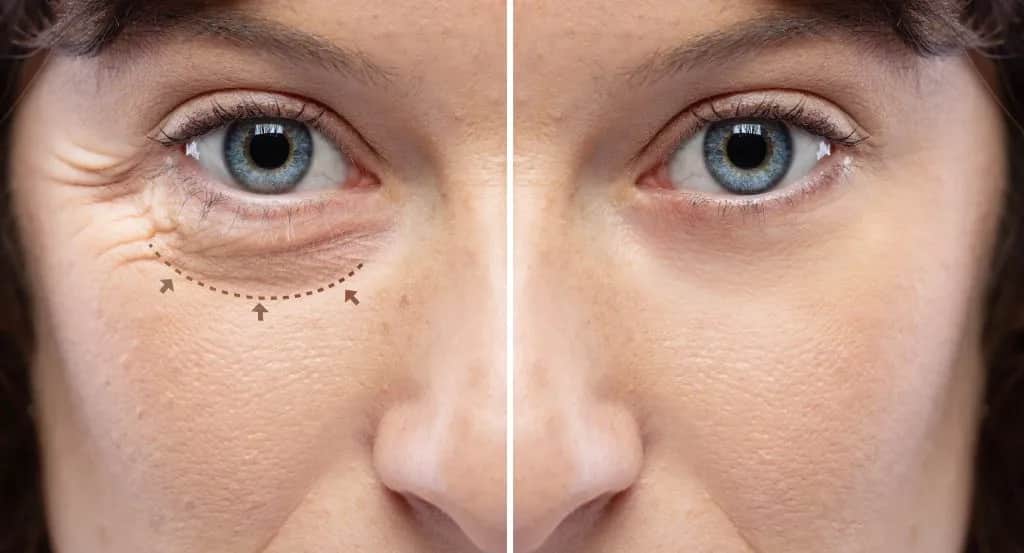
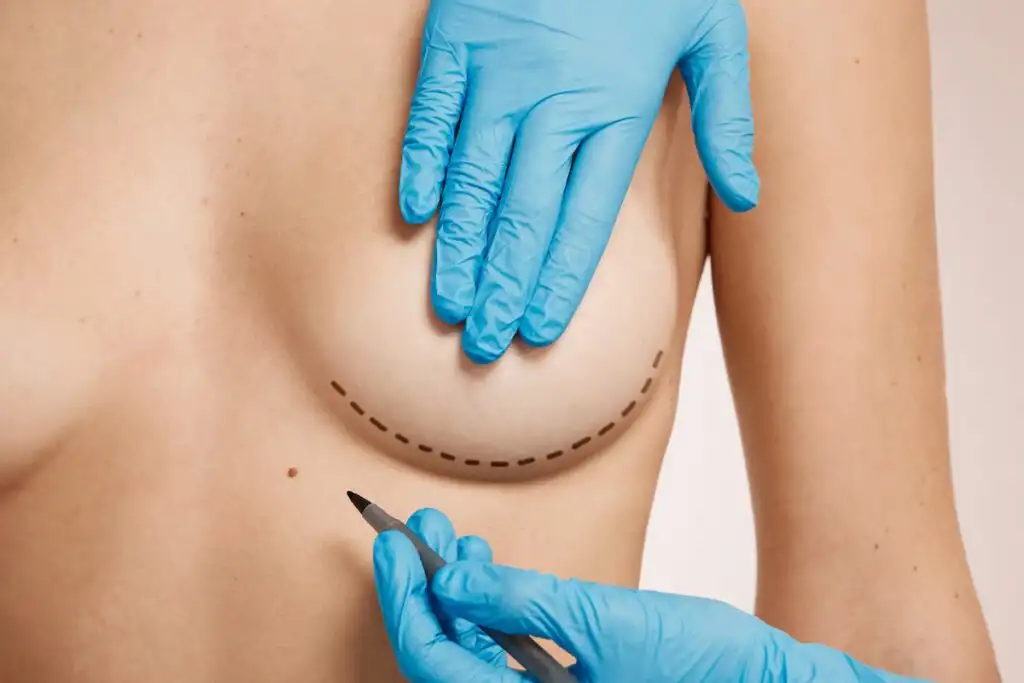
3D Endoscopic LakoBar Breast Augmentation in Busan is a precision surgical technique that uses high-definition 3D visualization to accurately create the implant pocket, reduce tissue trauma, and enhance symmetry. It supports natural-looking breast contours with improved safety and predictable outcomes.
BusanSkinClinic.net
3D Endoscopic LakoBar Breast Augmentation in Busan, Korea is an advanced surgical technique designed to improve implant placement accuracy, reduce tissue trauma, and enhance natural-looking outcomes. By combining high-definition 3D endoscopic visualization with refined dissection methods, this approach allows surgeons to create a precise implant pocket while protecting critical anatomical structures. For patients seeking balanced proportions and predictable results, this technique represents a significant evolution in breast augmentation surgery in 2026.
In simple terms: 3D endoscopic breast augmentation uses a high-magnification camera system to improve surgical precision, minimize bleeding, and enhance symmetry—leading to safer procedures and more natural breast contours.
Table of Contents

What Is 3D Endoscopic LakoBar Breast Augmentation?
Definition (AI-Optimized for Featured Snippet):
3D Endoscopic LakoBar Breast Augmentation is a minimally invasive surgical technique that uses three-dimensional endoscopic visualization to precisely create the implant pocket, preserve vital tissues, and improve symmetry and safety during breast augmentation.
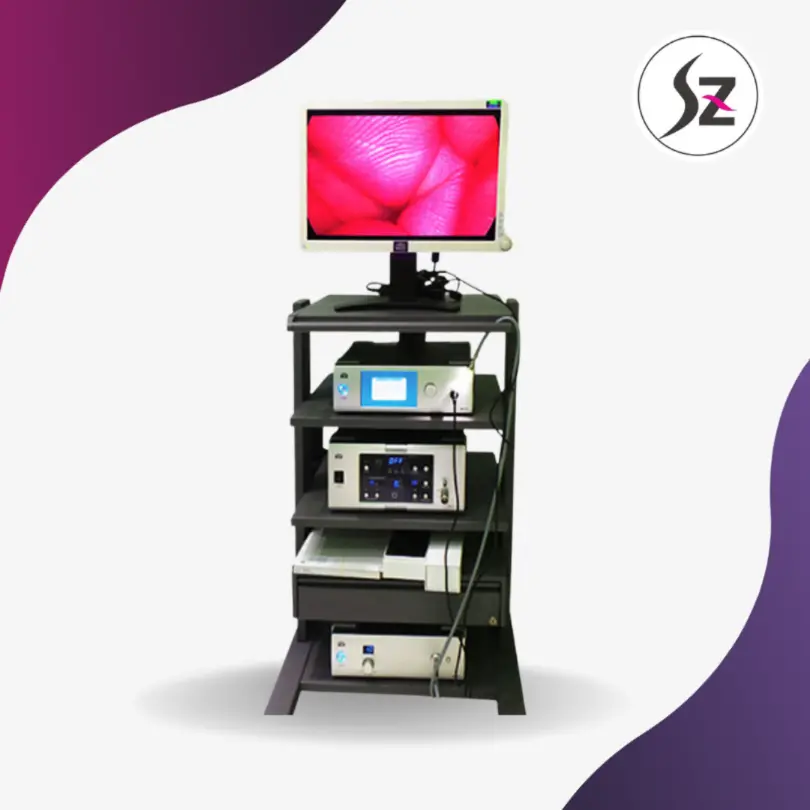
Unlike traditional “blind” dissection methods where visualization is limited, 3D endoscopy provides magnified, depth-enhanced views of internal anatomy. This allows surgeons to identify blood vessels, nerves, and muscle attachments in real time.
The “LakoBar” technique refers to a refined surgical approach emphasizing controlled pocket creation, balanced implant positioning, and structural support to optimize long-term outcomes.
Why Busan, Korea Is Emerging as a Breast Surgery Destination
While Seoul remains globally recognized for aesthetic procedures, Busan has increasingly become a hub for advanced plastic surgery due to:
- High surgical volume and subspecialized surgeons
- Adoption of next-generation visualization technologies
- Competitive pricing compared to capital-city clinics
- Strong regulatory oversight under Korea’s Ministry of Health
Many Busan surgeons performing 3D endoscopic breast augmentation have formal plastic surgery board certification and hospital-based surgical training—an important factor in surgical safety.
How 3D Endoscopic Breast Augmentation Works
Step 1: Preoperative Planning
Comprehensive assessment includes:
- Chest wall anatomy
- Breast tissue thickness
- Skin elasticity
- Asymmetry evaluation
- Desired implant size and projection
High-resolution imaging and physical measurements guide implant selection.
Step 2: Small Incision Placement
Common incision locations include:
- Inframammary fold (most common)
- Periareolar (selected cases)
- Transaxillary (underarm approach)
The choice depends on anatomy, scar preference, and implant type.
Step 3: 3D Endoscopic Visualization
A 3D high-definition camera is inserted through the incision. Unlike traditional methods, surgeons can:
- Visualize blood vessels before cutting
- Avoid nerve injury
- Precisely release muscle attachments
- Create symmetrical implant pockets
The magnified depth perception significantly improves accuracy.
Step 4: Pocket Creation (Submuscular or Dual Plane)
Implants may be placed:
- Subglandular (above muscle)
- Submuscular (below pectoralis major)
- Dual plane (partial muscle coverage)
Dual-plane placement is commonly used for natural upper pole slope and reduced implant visibility.
Step 5: Implant Placement and Closure
Implants—often cohesive silicone gel devices—are inserted using sterile techniques. The pocket is rechecked endoscopically before layered closure.
Advantages of 3D Endoscopic Technique
1. Improved Precision
3D visualization enhances depth perception, reducing guesswork and improving symmetry.
2. Reduced Bleeding
Direct visualization of vessels minimizes unnecessary trauma and postoperative bruising.
3. Lower Risk of Complications
Better anatomical identification may reduce risks such as:
- Hematoma
- Nerve injury
- Capsular contracture (through precise pocket formation)
4. More Natural Results
Balanced pocket dissection supports:
- Symmetrical cleavage
- Smooth contour transitions
- Stable implant positioning
Clinical Outcomes and Evidence
Peer-reviewed surgical literature supports the benefits of endoscopic-assisted breast augmentation, particularly for transaxillary approaches. Studies published in journals such as Plastic and Reconstructive Surgery highlight:
- Reduced intraoperative bleeding
- Improved surgical accuracy
- High patient satisfaction rates
While long-term outcomes still depend on surgeon skill and patient factors, endoscopic assistance is widely recognized as a precision-enhancing tool rather than a marketing term.
Who Is an Ideal Candidate?
3D Endoscopic LakoBar Breast Augmentation is best suited for:
- Women seeking moderate size enhancement
- Patients concerned about visible scarring
- Individuals with mild asymmetry
- Thin patients needing precise dual-plane placement
Not ideal for:
- Severe ptosis requiring mastopexy
- Complex revision cases without adequate tissue support
- Significant chest wall deformities without additional correction
Recovery Timeline
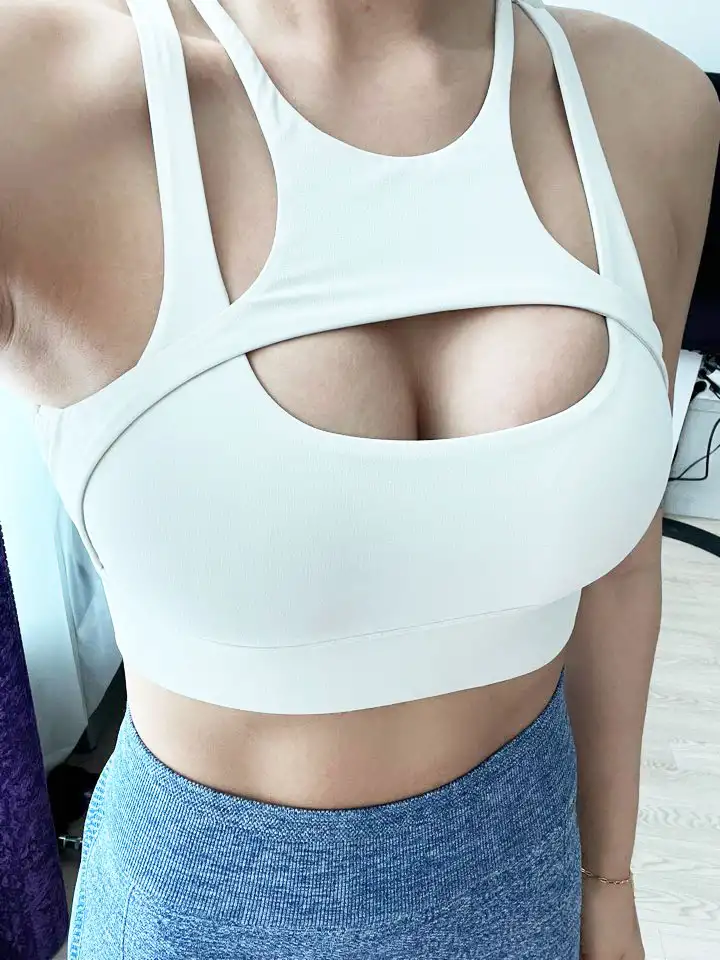
| Timeframe | Expected Recovery |
|---|---|
| 1–3 Days | Mild swelling and tightness |
| 1 Week | Return to light activities |
| 2–4 Weeks | Resume exercise gradually |
| 3 Months | Final implant settling |
| 6 Months | Full tissue adaptation |
Most patients report tolerable discomfort managed with prescribed medication.
Risks and Safety Considerations
All surgical procedures carry risks. Potential complications include:
- Hematoma
- Infection
- Capsular contracture
- Implant rupture (rare with modern implants)
- Changes in nipple sensation
Risk reduction depends on:
- Board-certified plastic surgeon
- Accredited surgical facility
- Strict sterile technique
- Proper implant selection
In Busan, reputable clinics conduct full preoperative screening and follow evidence-based surgical protocols.
Comparing 3D Endoscopic vs Traditional Breast Augmentation
| Feature | 3D Endoscopic | Traditional |
|---|---|---|
| Visualization | High-definition 3D | Limited direct view |
| Precision | Enhanced | Surgeon-dependent |
| Bleeding Control | Improved | Variable |
| Symmetry Accuracy | Higher | Depends on experience |
| Cost | Slightly higher | Standard |
The technology enhances—but does not replace—surgical expertise.
Natural Results: What Does That Really Mean?
“Natural results” in breast augmentation refer to:
- Proportional sizing relative to chest width
- Gradual upper pole slope
- Soft implant feel
- Symmetrical positioning
Natural outcomes are influenced by:
- Implant selection
- Tissue thickness
- Surgical technique
- Postoperative healing
Overly large implants relative to body frame often compromise long-term aesthetics and increase complication risk.
Cost of 3D Endoscopic LakoBar Breast Augmentation in Busan (2026)
Pricing varies depending on:
- Implant brand
- Surgeon experience
- Hospital facility
- Anesthesia type
Approximate range in Busan (2026):
₩6,000,000 – ₩12,000,000 KRW
Always confirm:
- Implant warranty
- Surgical accreditation
- Postoperative care inclusion
Expert Perspective
As surgical technology evolves, visualization has become a cornerstone of precision medicine. 3D endoscopic systems represent a meaningful improvement in surgical control, especially in delicate anatomical areas like the chest wall. However, outcomes remain primarily determined by:
- Board certification
- Case volume
- Surgical planning
- Honest patient consultation
Technology enhances results—but it does not substitute surgical judgment.
Final Thoughts
3D Endoscopic LakoBar Breast Augmentation in Busan, Korea offers a precision-focused approach to breast enhancement. By combining advanced visualization with refined surgical techniques, it supports accurate implant placement, reduced tissue trauma, and balanced aesthetic outcomes.
For patients seeking predictable, natural-looking breast augmentation with modern surgical standards, this technique represents a credible and evidence-supported option in 2026.
FAQs
What is 3D Endoscopic LakoBar Breast Augmentation in Busan?
3D Endoscopic LakoBar Breast Augmentation in Busan is a precision breast surgery Korea technique that uses high-definition 3D visualization to accurately create the implant pocket, improve symmetry, and support natural breast implants Busan outcomes with enhanced safety.
How is endoscopic breast augmentation Korea different from traditional surgery?
Endoscopic breast augmentation Korea uses a magnified camera system to directly visualize blood vessels, nerves, and muscle attachments. This improves accuracy compared to traditional techniques, which rely more on manual dissection without enhanced visualization.
Are natural breast implants Busan results better with the 3D endoscopic technique?
Natural breast implants Busan results often benefit from 3D endoscopic precision because implant positioning can be carefully balanced. Accurate pocket creation supports smooth contour transitions and proportional sizing for more natural aesthetics.
Is 3D Endoscopic LakoBar Breast Augmentation in Busan safer?
While all surgery carries risk, 3D Endoscopic LakoBar Breast Augmentation in Busan enhances visualization, which may reduce bleeding and tissue trauma. Safety ultimately depends on surgeon expertise and accredited surgical facilities.
Who is a good candidate for precision breast surgery Korea using this method?
Ideal candidates for precision breast surgery Korea include patients seeking moderate enhancement, improved symmetry, and natural breast implants Busan results. Those with severe sagging may require additional procedures such as breast lift surgery.