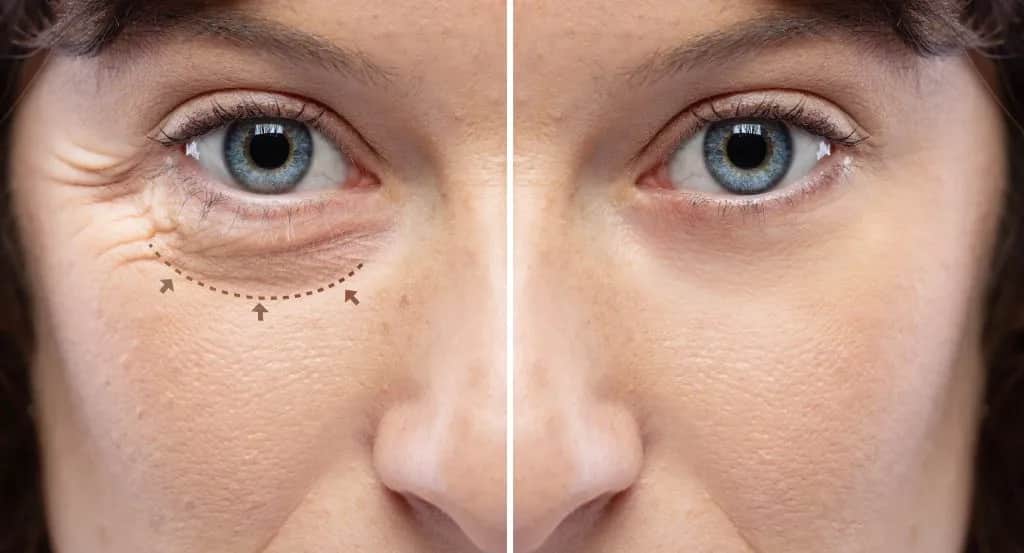


Stem Cell IV Therapy in Busan Korea is an advanced regenerative treatment where laboratory-prepared stem cells are delivered intravenously to support immune modulation, reduce inflammation, and promote cellular repair. Conducted in regulated regenerative medicine Busan clinics, the therapy aims to enhance systemic recovery under strict medical protocols.
BusanSkinClinic.net
Stem Cell IV Therapy in Busan Korea refers to the intravenous administration of stem cell–derived products—most commonly mesenchymal stem cells (MSCs) or their biologically active components—under regulated medical protocols to support tissue repair, immune modulation, and regenerative processes. In 2026, Busan has emerged as a regional center for advanced regenerative treatment, offering carefully screened, laboratory-processed stem cell therapies within clinical and hospital-based settings.
Patients typically seek stem cell IV therapy for chronic inflammation, immune dysregulation, fatigue syndromes, orthopedic degeneration, and adjunctive anti-aging support. However, outcomes depend heavily on patient selection, stem cell source, processing standards, regulatory compliance, and physician oversight. Evidence supports certain applications—particularly in inflammatory and degenerative conditions—while other uses remain investigational.
This comprehensive guide explains how stem cell IV therapy works, who may benefit, safety considerations, regulatory status in Korea, realistic outcomes, and how to choose a reputable provider in Busan.
Table of Contents

What Is Stem Cell IV Therapy?
Clear Definition
Stem cell IV therapy involves the intravenous infusion of stem cells or stem cell–derived biologic materials intended to promote repair, modulate immune responses, and support regeneration in damaged or inflamed tissues.
Most commonly used cell types include:
- Mesenchymal Stem Cells (MSCs) – Derived from bone marrow, adipose tissue, or umbilical cord tissue
- Autologous Stem Cells – Collected from the patient
- Allogeneic Stem Cells – Donor-derived and laboratory screened
In some regulated contexts, clinics may use:
- Stem cell–derived exosomes (where legally permitted)
- Conditioned media containing regenerative growth factors
It is important to distinguish between:
- Clinically approved applications
- Experimental or investigational uses
Not all advertised stem cell IV therapies are supported by strong clinical evidence.
How Stem Cell IV Therapy Works (Biological Mechanism)
Understanding the mechanism helps clarify realistic expectations.
1. Homing and Migration
After IV infusion, mesenchymal stem cells circulate and may migrate toward inflamed or injured tissue through chemotactic signaling pathways.
2. Paracrine Signaling
Research suggests many regenerative benefits come not from direct tissue replacement but from paracrine effects—the release of:
- Growth factors
- Anti-inflammatory cytokines
- Extracellular vesicles
These molecules may:
- Reduce inflammation
- Modulate immune overactivity
- Support angiogenesis (blood vessel formation)
- Stimulate endogenous repair pathways
3. Immunomodulation
MSCs can interact with immune cells such as:
- T lymphocytes
- Natural killer cells
- Macrophages
This may help regulate excessive inflammatory responses in selected conditions.
Why Busan Korea Is Known for Advanced Regenerative Treatment
Busan has developed infrastructure for regenerative medicine due to:
- Collaboration between medical universities and biotech laboratories
- Advanced cell processing facilities
- Strict screening protocols for donor-derived materials
- Increasing participation in regenerative clinical trials
Korea has also established regulatory frameworks governing advanced biologics, including stem cell–based interventions. Legitimate providers operate under national medical regulations rather than informal cosmetic settings.
Evidence-Based Clinical Applications (2026)
The strongest clinical evidence for stem cell IV therapy remains in specific medical contexts.
Supported or Investigational Areas
- Autoimmune conditions (under research protocols)
- Orthopedic degeneration (adjunct to joint therapies)
- Chronic inflammatory conditions
- Neurological research settings
- Graft-versus-host disease (internationally recognized use of MSCs)
It is critical to note that while regenerative medicine shows promise, many systemic uses are still under clinical investigation.
What Stem Cell IV Therapy Is NOT
- It is not a guaranteed cure for chronic disease.
- It is not an FDA-equivalent universally approved anti-aging solution.
- It is not appropriate for every patient.
Responsible clinics provide transparent counseling and avoid exaggerated claims.
Step-by-Step Treatment Process in Busan
A reputable regenerative clinic typically follows these steps:
1. Comprehensive Evaluation
- Medical history review
- Laboratory testing
- Imaging when appropriate
2. Eligibility Assessment
Not all patients qualify. Contraindications may include:
- Active malignancy
- Severe uncontrolled infection
- Pregnancy
- Certain immune disorders
3. Stem Cell Preparation
Depending on protocol:
- Autologous harvesting (bone marrow or adipose)
- Laboratory processing
- Donor cell screening (for allogeneic use)
4. IV Administration
- Conducted in a monitored clinical setting
- Typically lasts 30–90 minutes
- Vital signs monitored throughout
5. Post-Treatment Monitoring
- Short-term observation
- Scheduled follow-up visits
- Repeat laboratory assessment if indicated
Real-World Clinical Scenario
A 55-year-old patient with chronic inflammatory joint pain underwent evaluation in a Busan regenerative clinic. After confirming eligibility and ruling out contraindications, the patient received IV-administered mesenchymal stem cells as part of a structured regenerative protocol combined with targeted orthopedic therapy.
Over a 3–6 month follow-up:
- Reduced inflammatory markers
- Reported improvement in joint stiffness
- Gradual improvement in mobility
While not a cure, adjunctive therapy appeared to support functional improvement when combined with conventional care.
Potential Benefits (Condition-Dependent)
- Immune modulation
- Reduction in systemic inflammation
- Support for tissue repair
- Possible improvement in fatigue or recovery capacity
Outcomes vary significantly between individuals.
Risks and Safety Considerations
Stem cell IV therapy is generally well tolerated when performed under regulated conditions. However, risks may include:
- Fever
- Allergic reaction
- Infection (rare with sterile technique)
- Thrombotic complications (rare but serious)
Risk increases when:
- Products are poorly processed
- Providers lack clinical training
- Facilities lack regulatory oversight
Patients should verify:
- Physician credentials
- Laboratory accreditation
- Regulatory compliance
Cost of Stem Cell IV Therapy in Busan (2026)
Costs vary widely depending on:
- Autologous vs. donor-derived cells
- Laboratory processing standards
- Number of cells administered
- Treatment frequency
Estimated range:
$5,000–$20,000+ per treatment protocol
Higher costs often reflect laboratory-grade cell processing and monitoring standards.
Who Is a Suitable Candidate?
Potential candidates may include:
- Individuals with chronic inflammatory conditions
- Patients seeking adjunct regenerative support
- Those enrolled in clinical programs
Not suitable for:
- Individuals seeking purely cosmetic anti-aging shortcuts
- Patients with active cancer
- Individuals with unstable systemic disease
Ethical and Regulatory Considerations in Korea
Korea regulates advanced biologics through national health authorities. Legitimate regenerative treatment centers:
- Operate within licensed medical institutions
- Use screened and traceable cell sources
- Maintain sterile laboratory standards
- Provide informed consent documentation
Patients should avoid unverified wellness spas advertising stem cell drips without clear regulatory transparency.
Expected Timeline of Results
- Immediate effects: Typically none dramatic
- 1–3 months: Possible gradual improvement
- 3–6 months: Measurable functional changes (if responsive)
Stem cell therapy works gradually through biological modulation, not instant transformation.
Final Perspective
Stem Cell IV Therapy | Advanced Regenerative Treatment in Busan Korea represents a rapidly evolving area of regenerative medicine in 2026. While promising in selected clinical applications—particularly immune modulation and inflammatory support—it requires careful patient selection, regulatory compliance, and realistic expectations.
The most important factors for safety and success are physician expertise, laboratory standards, transparent counseling, and evidence-based protocols. Patients considering stem cell therapy should prioritize medical integrity over marketing claims to ensure safe and informed care.
FAQs
What is Stem Cell IV Therapy in Busan Korea?
Stem Cell IV Therapy in Busan Korea is a regenerative medicine Busan procedure where processed stem cells are infused intravenously to support immune balance, inflammation control, and tissue repair in certified advanced cell therapy clinic Busan facilities.
Is intravenous stem cell treatment Korea clinics offer safe?
Intravenous stem cell treatment Korea clinics provide can be safe when performed in regulated regenerative medicine Busan centers that follow MFDS guidelines, donor screening, sterility protocols, and comprehensive patient evaluation.
Who is a good candidate for Stem Cell IV Therapy in Busan Korea?
Candidates for Stem Cell IV Therapy in Busan Korea may include individuals with inflammatory conditions, immune dysfunction, or recovery concerns who are evaluated and approved by an advanced cell therapy clinic Busan specialist.
How long does it take to see results from Stem Cell IV Therapy in Busan Korea?
Results from Stem Cell IV Therapy in Busan Korea vary depending on the condition treated, but some patients report gradual improvement over weeks to months following intravenous stem cell treatment Korea protocols.
What is the difference between Stem Cell IV Therapy in Busan Korea and localized stem cell injections?
Stem Cell IV Therapy in Busan Korea delivers cells systemically through the bloodstream, while localized injections target specific joints or tissues. Regenerative medicine Busan specialists determine the most appropriate method based on diagnosis and treatment goals.