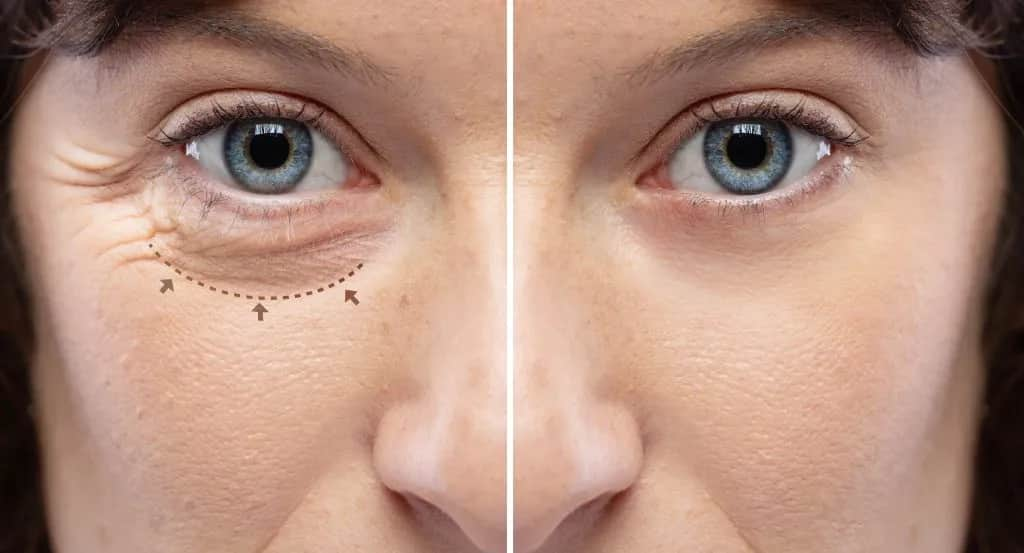
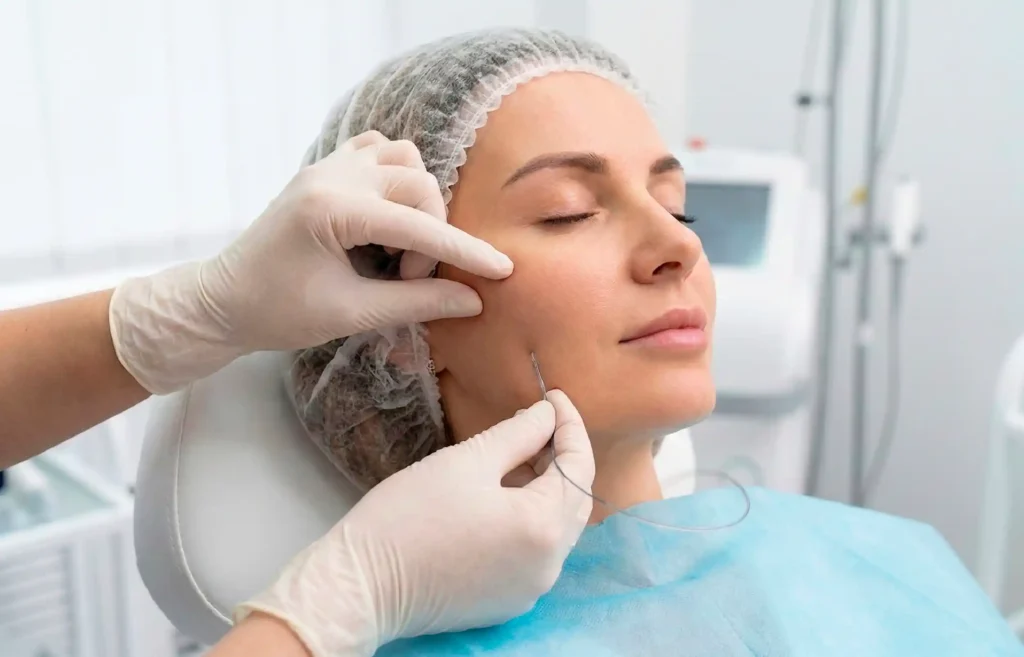

Endolaser Skin Elasticity Enhancement in Busan, Korea is a minimally invasive laser procedure that tightens sagging skin by stimulating collagen production beneath the surface. It improves firmness, elasticity, and contour with minimal downtime, making it an effective non-surgical option for patients with mild to moderate skin laxity.
BusanSkinClinic.net
Patients seeking non-surgical skin tightening increasingly choose Endolaser because it addresses mild to moderate laxity, early sagging, and contour loss with minimal downtime. In clinical practice, it is particularly effective for the lower face, jawline, neck, and body areas showing early skin laxity.
This article provides a comprehensive, evidence-based overview of how Endolaser improves skin elasticity, who it is best suited for, expected outcomes, risks, recovery, and how it compares to other tightening technologies in 2026.
Table of Contents

What Is Endolaser?
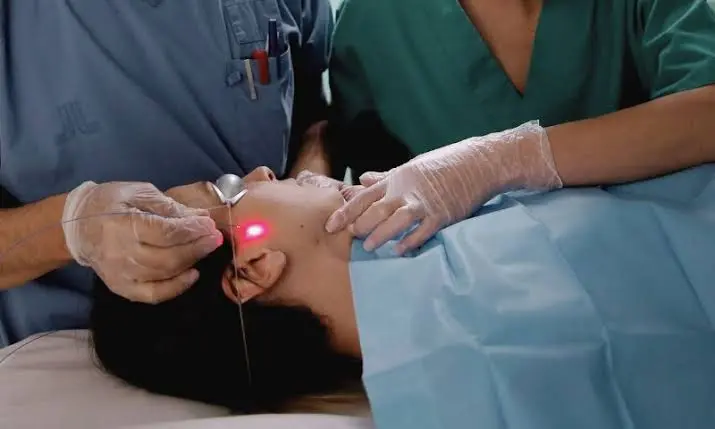
Endolaser is a minimally invasive laser-assisted skin tightening procedure that delivers targeted thermal energy into the subdermal layer using a thin optical fiber (typically 200–400 microns). The heat stimulates collagen contraction and neocollagenesis (new collagen formation), improving skin elasticity and firmness
Unlike external laser treatments, Endolaser works from inside the skin outward, enabling deeper and more controlled tissue remodeling.
Why Skin Loses Elasticity
Understanding how Endolaser works requires understanding why skin laxity occurs.
Skin elasticity declines due to:
- Collagen degradation
- Reduced elastin fibers
- Subcutaneous fat redistribution
- Hormonal changes
- UV-induced photoaging
- Natural aging (intrinsic aging process)
By age 40, collagen production may decrease by approximately 1% per year. Reduced structural proteins lead to sagging in the jawline, neck, and mid-face.
Endolaser addresses this biological process by stimulating dermal remodeling rather than simply tightening the surface.
How Endolaser Enhances Skin Elasticity
Mechanism of Action
Endolaser improves skin elasticity through three primary mechanisms:
- Thermal Collagen Contraction
Controlled laser heat causes immediate shrinkage of existing collagen fibers. - Neocollagenesis Stimulation
Heat triggers fibroblast activation, increasing production of:- Type I collagen
- Type III collagen
- Elastin fibers
- Subdermal Tissue Remodeling
Fat liquefaction and fibroseptal network tightening improve contour definition.
Step-by-Step Treatment Process
- Local anesthesia is applied.
- A micro-fiber laser is inserted under the skin through a tiny entry point.
- Laser energy is delivered in a controlled, fan-shaped pattern.
- The fiber is removed; no stitches are typically required.
- Compression or mild support dressing may be applied.
Treatment time: 30–90 minutes depending on area.
Clinical Applications
Endolaser for skin elasticity enhancement is commonly used for:
- Jawline tightening
- Neck laxity correction
- Lower face contouring
- Periorbital tightening
- Arm and knee laxity
- Mild abdominal skin looseness
In practice, it is particularly effective for patients who are not yet candidates for surgical lifting but desire visible tightening beyond what radiofrequency or ultrasound can provide.
Who Is an Ideal Candidate?
Endolaser works best for patients with:
- Mild to moderate skin laxity
- Early jowling
- Loss of jawline definition
- Good skin quality overall
- Realistic expectations
It is not a replacement for a surgical facelift in cases of severe skin redundancy.
Expected Results and Timeline
Immediate Effects
- Mild tightening from collagen contraction
- Subtle contour improvement
1–3 Months
- Gradual increase in firmness
- Improved elasticity
- Enhanced jawline definition
3–6 Months
- Peak collagen remodeling
- Maximum visible skin tightening
Clinical observations show progressive improvement over several months due to biological collagen regeneration.
How Endolaser Compares to Other Skin Tightening Technologies
| Technology | Depth | Invasive | Collagen Stimulation | Downtime |
|---|---|---|---|---|
| Radiofrequency | Superficial–Mid | Non-invasive | Moderate | Minimal |
| HIFU | Deep SMAS | Non-invasive | Moderate | Minimal |
| CO2 Laser | Surface | Ablative | High (surface) | 1–2 weeks |
| Endolaser | Subdermal | Minimally invasive | High (deep + structural) | 3–7 days |
Endolaser provides deeper structural tightening than most non-invasive devices, while avoiding full surgical intervention.
Real-World Clinical Insights
From clinical experience:
- Patients in their late 30s to early 50s respond particularly well.
- Combining Endolaser with superficial resurfacing enhances skin texture and tightening synergy.
- Conservative energy settings reduce risk while achieving gradual, natural results.
- Proper patient selection significantly impacts satisfaction rates.
A common scenario: A 45-year-old patient with early jawline laxity avoids surgical facelift by choosing Endolaser, achieving improved contour with minimal downtime.
Risks and Safety Considerations
While generally safe when performed by trained physicians, potential risks include:
- Temporary swelling
- Mild bruising
- Temporary numbness
- Rare burns if improperly administered
- Temporary unevenness during healing
Risk mitigation includes:
- Board-certified physician expertise
- Proper laser parameter selection
- Strict sterile technique
- Post-treatment follow-up
No procedure is risk-free, but complication rates are low when performed appropriately.
Recovery and Aftercare
Typical Recovery Timeline:
- Day 1–3: Swelling and mild tenderness
- Week 1: Most social activities resumed
- Week 2–3: Visible tightening begins
- Month 3+: Progressive collagen improvement
Aftercare recommendations:
- Avoid intense heat exposure
- Use sun protection
- Follow physician instructions
- Avoid strenuous activity for several days
Most patients return to work within 3–5 days.
Scientific Basis and Evidence
Endolaser’s effectiveness is supported by research on:
- Laser-induced neocollagenesis
- Controlled dermal thermal remodeling
- Subdermal fiber laser technologies
Peer-reviewed aesthetic laser studies (Aesthetic Surgery Journal, Dermatologic Surgery, Lasers in Surgery and Medicine) confirm that controlled subdermal heating induces collagen contraction and fibroblast activation.
The biological basis is consistent with established laser-tissue interaction principles.
Advantages of Endolaser for Skin Elasticity Enhancement
- Minimally invasive
- Stimulates natural collagen production
- Treats deeper laxity than surface lasers
- Minimal downtime compared to surgery
- Progressive, natural-looking results
- Can be combined with fat reduction
Limitations
- Not effective for severe skin redundancy
- Results depend on individual collagen response
- Requires skilled operator
- May require complementary treatments for optimal contouring
Transparency about limitations strengthens patient trust and aligns with ethical practice standards.
FAQs
What is Endolaser Skin Elasticity Enhancement in Busan, Korea?
Endolaser Skin Elasticity Enhancement is a minimally invasive laser tightening procedure that stimulates collagen production beneath the skin to improve firmness, elasticity, and contour without traditional surgery.
How does minimally invasive laser tightening in Busan, Korea improve skin elasticity?
Minimally invasive laser tightening works by delivering controlled heat under the skin, triggering collagen stimulation treatment and remodeling existing fibers to restore firmness and reduce mild sagging.
Who is a good candidate for Endolaser Skin Elasticity Enhancement in Busan, Korea?
Patients with mild to moderate skin laxity, early jawline sagging, or loss of firmness are ideal candidates for Endolaser Skin Elasticity Enhancement and non-surgical skin firming treatments.
How long does it take to see results from Endolaser Skin Elasticity Enhancement in Busan, Korea?
Initial tightening may be visible within weeks, but optimal results develop over 3–6 months as collagen stimulation treatment enhances skin elasticity progressively.
Is Endolaser Skin Elasticity Enhancement better than other non-surgical skin firming options in Busan, Korea?
Endolaser Skin Elasticity Enhancement penetrates deeper than many surface treatments, offering stronger collagen stimulation and structural tightening compared to some external non-surgical skin firming devices.
Conclusion
Endolaser – Skin Elasticity Enhancement is a scientifically grounded, minimally invasive solution for patients seeking meaningful skin tightening without surgery. By stimulating collagen remodeling at a subdermal level, it addresses the structural causes of laxity rather than temporarily tightening the surface.
For patients experiencing early sagging, jawline softening, or neck laxity, Endolaser offers a balance between non-invasive treatments and surgical lifting. When performed by an experienced medical professional, it delivers predictable, progressive, and natural-looking improvements in skin elasticity.
As aesthetic medicine advances in 2026, Endolaser remains one of the most structurally effective minimally invasive technologies for enhancing skin firmness and restoring youthful contour—without the extended downtime of traditional surgery.
References
- Evaluation of Eyebrow Position and Upper Eyelid Laxity After Endolift Laser Treatment
- Skin Tightening—Does It Really Exist?
- Skin Rejuvenation Treatment – SZLINE Dermatology & Aesthetic Surgery in Busan, South Korea