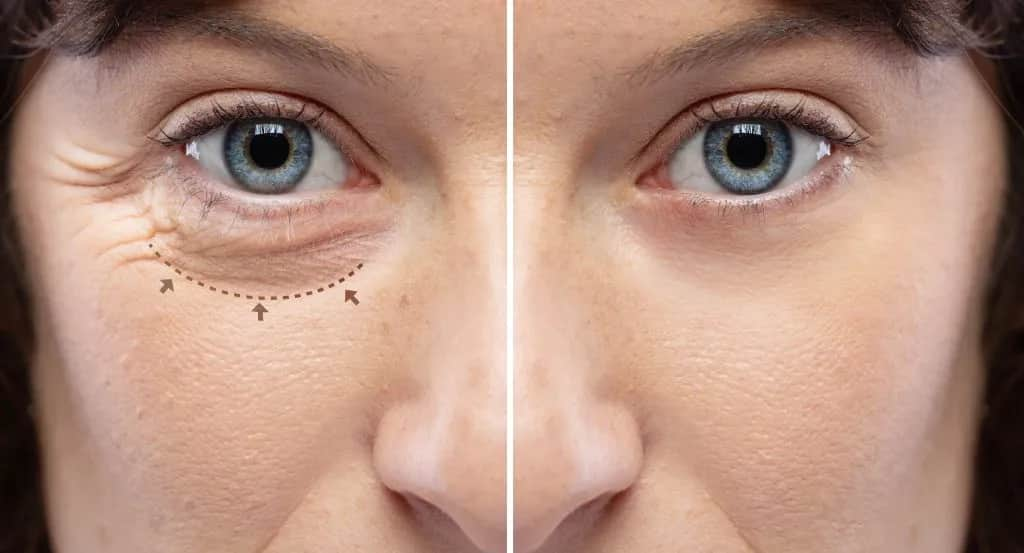


Petite Plastic Surgery in Busan, South Korea refers to minimally invasive aesthetic treatments such as Botox, dermal fillers, and laser or energy-based lifting. Each targets different concerns, including wrinkles, facial volume, skin texture, and mild laxity. Treatment choice should be based on individual anatomy, goals, risks, and medical assessment.
BusanSkinClinic.net
Petite plastic surgery in Busan, South Korea generally refers to minimally invasive or non-surgical aesthetic treatments such as Botox, dermal fillers, laser treatments, radiofrequency or ultrasound-based lifting, and other facial rejuvenation procedures. Unlike traditional plastic surgery, these treatments usually involve injections or energy-based devices rather than surgical incisions. The appropriate option depends on whether the primary concern is dynamic wrinkles, facial volume loss, skin laxity, uneven texture, pigmentation, or facial contour.
For international and local patients considering aesthetic treatment in Busan, the most important question is not simply which procedure is most popular. It is which treatment addresses the underlying anatomical or skin-related concern with an appropriate risk-benefit profile. Botox primarily reduces muscle activity, fillers restore or reshape volume, while laser and other energy-based treatments target skin quality, pigmentation, collagen remodeling, or tissue tightening. Modern aesthetic practice increasingly uses individualized treatment plans rather than a single procedure for every patient.
Table of Contents

What Is Petite Plastic Surgery in Korea?
“Petite plastic surgery” is a commonly used Korean aesthetic term for relatively quick, minimally invasive cosmetic procedures that do not require conventional surgery. It is not one specific medical procedure or standardized treatment category.
Depending on the clinic and treatment plan, the term may include:
- Botulinum toxin injections
- Dermal fillers
- Skin boosters and injectable rejuvenation treatments
- Laser skin treatments
- Radiofrequency-based tightening
- Ultrasound-based lifting
- Other non-surgical facial contouring procedures
The distinction matters because these treatments work through different biological mechanisms. A patient with forehead wrinkles caused by repetitive muscle contraction may benefit from botulinum toxin, while someone with midface volume loss may be considered for a dermal filler. A patient primarily concerned about skin texture, pigmentation, or mild laxity may instead require an energy-based treatment.
A recent review of nonsurgical facial aesthetic procedures describes these treatments according to the desired change, including wrinkle relaxation, facial volumization, and skin tightening or texture improvement.
Why Consider Botox, Fillers and Laser Lifting in Busan?
Busan is an established medical-tourism destination in South Korea, with medical institutions offering aesthetic and plastic-surgery services to both Korean and international patients. The official Medical Korea database lists Busan institutions providing services such as wrinkle correction, laser and skin treatments, Botox, and fillers.
For visitors, another practical advantage is that some institutions provide international-patient support, including multilingual interpretation, appointment assistance, and post-treatment communication. However, these services vary by institution and should not be assumed for every clinic.
The attraction of minimally invasive treatments is generally related to their limited downtime compared with many surgical procedures. However, “non-surgical” does not mean “risk-free.” Injection and energy-based treatments can cause complications, and appropriate patient assessment remains essential.
Botox in Busan: What Does It Actually Treat?
Botox is a brand name commonly used to describe botulinum toxin treatment, although several botulinum toxin products exist.
Botulinum toxin temporarily reduces the ability of targeted muscles to contract. This makes it particularly useful for dynamic wrinkles, which are lines that become more visible with facial movement.
Common aesthetic treatment areas include:
- Forehead lines
- Glabellar or “frown” lines
- Crow’s feet
- Certain lower-face muscle patterns
- Masseter muscles in selected patients
- Platysma bands or neck-related applications in appropriate cases
The effect is fundamentally different from that of a dermal filler. Botox changes muscle activity, whereas filler adds or modifies soft-tissue volume.
The FDA explains that botulinum toxin products approved for facial wrinkles work by preventing muscles from tightening as strongly, thereby temporarily reducing the appearance of certain facial lines. Reported adverse effects can include localized pain, swelling, bruising, facial weakness, eyelid drooping, and brow drooping; rare systemic effects can be more serious.
Who May Be a Candidate for Botox?
Botox may be considered when facial lines are substantially related to muscle movement.
For example:
Scenario: A 42-year-old patient notices pronounced vertical lines between the eyebrows when concentrating but relatively smooth skin at rest. A clinician may evaluate whether reducing glabellar muscle activity is appropriate.
This differs from a patient whose concern is primarily skin laxity or significant volume loss. In that situation, Botox alone may not address the main cause of the visible change.
The goal should therefore be appropriate muscle modification rather than simply using more product.
Dermal Fillers in Busan: Restoring or Reshaping Facial Volume
Dermal fillers are injectable materials used to add volume, modify contours, soften selected wrinkles, or restore areas affected by age-related volume changes.
Hyaluronic acid (HA) fillers are among the most widely used temporary filler materials. Depending on their formulation and location, fillers may be considered for areas such as:
- Lips
- Cheeks
- Chin
- Nasolabial folds
- Marionette-area changes
- Facial contouring
- Selected under-eye or tear-trough cases
However, filler should not simply be viewed as a “wrinkle filler.” Modern facial aesthetic planning considers the three-dimensional relationship between bone structure, fat compartments, soft tissue, and muscle movement. A 2026 review emphasizes the complementary roles of botulinum toxin and fillers in facial contouring and rejuvenation while highlighting individualized assessment.
Filler Is Not Always the Best Solution for Facial Sagging
This is an important distinction.
If a patient has substantial skin and tissue laxity, adding volume does not necessarily create a true lifting effect. Excessive filler can instead produce an overly full appearance.
For mild structural volume loss, however, carefully placed filler may improve facial proportions without surgery.
The objective should be restoration of appropriate volume and contour, rather than maximizing the amount injected.
How Safe Are Dermal Fillers?
Dermal fillers are medical procedures and carry both common and rare risks.
Short-term reactions can include:
- Swelling
- Bruising
- Redness
- Tenderness
- Pain
- Temporary asymmetry
More significant complications can occur when filler unintentionally enters or compresses a blood vessel. Vascular occlusion can compromise tissue blood supply and, in severe circumstances, can result in tissue injury or vision-related complications.
The FDA identifies accidental injection into a blood vessel as the most concerning filler-related risk and notes that some adverse effects can occur immediately while others may appear weeks, months, or even years later.
A clinical consensus review similarly emphasizes patient selection, informed consent, appropriate preparation, injection technique, and rapid recognition of complications as important components of risk reduction.
For this reason, patients should know exactly what product is being injected, where it will be placed, and who is performing the procedure.
Laser Lifting in Busan: What Does “Lifting” Mean?
“Laser lifting” is a broad marketing term rather than one standardized procedure.
Different clinics may use different technologies, including laser, radiofrequency, focused ultrasound, or combinations of energy-based devices. Their mechanisms, treatment depths, indications, downtime, and expected results differ.
Depending on the device, energy-based treatment may be intended to address:
- Mild skin laxity
- Collagen remodeling
- Fine lines
- Skin texture
- Pigmentation
- Photodamage
- Overall skin quality
Therefore, patients should ask for the specific device and treatment mechanism, rather than choosing a treatment solely because it is advertised as “laser lifting.”
A comprehensive review of nonsurgical facial aesthetic procedures places laser and other energy-based treatments among approaches used for skin tightening and texture improvement.
Does Laser Lifting Replace a Facelift?
Usually, no.
Non-surgical energy treatments may be appropriate for selected patients with mild laxity or skin-quality concerns. They generally do not reproduce the structural correction achieved by surgery when there is significant excess skin, deep tissue descent, or advanced jowling.
A useful way to think about the difference is:
| Main concern | Treatment category commonly considered |
|---|---|
| Dynamic wrinkles | Botulinum toxin |
| Localized volume loss | Dermal filler |
| Skin texture or pigmentation | Laser/light-based treatment |
| Mild skin laxity | Energy-based tightening |
| Significant tissue descent | Surgical consultation may be more appropriate |
This table is a general framework, not a treatment prescription. Individual anatomy and medical history can change the appropriate choice.
Botox vs. Fillers vs. Laser Lifting
Understanding the primary mechanism makes treatment selection easier.
| Treatment | Primary mechanism | Common objective | Typical consideration |
|---|---|---|---|
| Botox | Reduces targeted muscle activity | Dynamic wrinkle reduction | Movement-related lines |
| Dermal filler | Adds or restores soft-tissue volume | Contouring and volume restoration | Volume deficiency |
| Laser/light treatment | Delivers controlled energy to skin | Texture, pigmentation, collagen remodeling | Skin-quality concerns |
| RF/ultrasound lifting | Delivers energy to deeper tissues | Tightening and remodeling | Selected mild laxity |
These procedures can sometimes be combined. However, combination treatment should be planned according to anatomy, treatment depth, timing, and product characteristics rather than simply adding multiple procedures.
Expert consensus has supported individualized combination approaches involving botulinum toxin, fillers, and energy-based treatments, while newer systematic reviews note that evidence for some combinations remains heterogeneous and limited.
Can Botox, Fillers and Laser Treatments Be Combined?
Yes, selected treatments can be combined, but sequence and timing matter.
For example, a patient might have:
- An energy-based treatment for skin quality or tightening.
- Botox for selected dynamic wrinkles.
- Filler later for structural volume correction.
The exact sequence depends on the device, injection sites, filler material, treatment intensity, and clinical objectives.
Evidence concerning simultaneous laser and HA filler treatment remains limited, with much of the available research based on small or nonrandomized studies. One review notes that when certain light-based treatments and HA fillers are performed on the same day, light treatment may be performed before filler injection to avoid subsequent manipulation of newly injected filler.
Patients should therefore avoid creating their own combination schedule based solely on social media recommendations.
What Happens During a Petite Plastic Surgery Consultation?
A high-quality consultation should begin with assessment rather than product selection.
A practitioner may evaluate:
- Facial proportions
- Skin quality
- Degree and location of laxity
- Facial muscle movement
- Existing volume
- Previous injections or procedures
- Medical history
- Allergies
- Medications
- Previous adverse reactions
- Treatment expectations
The practitioner should then explain why a particular procedure is appropriate—or why it may not be appropriate.
For international patients, it is especially important to communicate previous cosmetic procedures accurately. Existing filler, thread lifts, implants, or surgical changes can affect treatment planning.
What Should You Ask a Busan Clinic Before Treatment?
Before booking, consider asking these practical questions:
1. What exactly is being injected or used?
Ask for the generic name, brand, manufacturer, and product characteristics where relevant.
2. Who performs the procedure?
Confirm the practitioner’s professional credentials, experience with the specific procedure, and role in treatment planning.
3. What is the treatment designed to change?
A clinic should be able to explain whether the goal is wrinkle reduction, volume restoration, contouring, pigmentation improvement, skin tightening, or another defined outcome.
4. What are the common and serious risks?
A proper consultation should include both expected temporary effects and uncommon but important complications.
5. What happens if there is a complication?
This is particularly important for injectable procedures.
6. What follow-up is available?
International patients should understand how follow-up works after returning home.
Recovery After Botox, Fillers and Laser Treatments
Recovery depends heavily on the treatment.
Botox
Patients may experience mild redness, swelling, or bruising at injection sites. Some effects develop gradually rather than immediately.
Dermal Fillers
Swelling and bruising are common considerations. Depending on the treatment area and amount injected, visible swelling may temporarily affect appearance.
Laser and Energy-Based Treatments
Depending on the technology, patients may experience redness, warmth, swelling, sensitivity, peeling, or temporary pigment changes.
The exact recovery period should be provided by the treating practitioner because “laser treatment” describes many different technologies.
Patients should also follow individualized aftercare instructions rather than assuming that all cosmetic procedures have identical restrictions.
What Are the Main Risks of Petite Plastic Surgery?
The risk profile depends on the procedure.
For injectable treatments, potential issues include:
- Bruising
- Swelling
- Pain or tenderness
- Temporary asymmetry
- Infection
- Unintended muscle weakness
- Eyelid or brow drooping after certain toxin injections
- Filler nodules or irregularities
- Vascular occlusion
- Tissue injury
- Rare vision-related complications
For energy-based procedures, potential adverse effects vary by device and treatment settings and may include redness, swelling, pigmentary changes, burns, blistering, or other skin injury.
A 2025 systematic review and meta-analysis of nonsurgical facial aesthetic procedures found treatment-related adverse events across several procedure categories, reinforcing that “minimally invasive” should not be interpreted as “zero risk.”
How Much Does Petite Plastic Surgery Cost in Busan?
There is no single standard price for petite plastic surgery in Busan.
The final cost can vary according to:
- Treatment type
- Product or device
- Product quantity
- Number of treatment areas
- Practitioner
- Clinic
- Anesthesia or numbing requirements
- Consultation and follow-up
- Additional treatments
- Whether multiple procedures are combined
For fillers, for example, the amount required may differ substantially between patients. A quotation based solely on “one syringe” may therefore be misleading if the treatment plan ultimately requires a different amount.
For international patients, ask for an itemized quotation that clearly separates treatment costs and any additional fees.
Is Busan Suitable for International Patients Seeking Aesthetic Treatments?
Busan has established medical-tourism infrastructure, and the Korean government operates the official Medical Korea platform for international healthcare services. Some registered institutions provide foreign-language interpretation and international-patient assistance.
However, international patients should not choose a clinic solely because it is popular with tourists.
A safer selection process is to evaluate:
- Practitioner qualifications
- Appropriate medical registration
- Specific procedure experience
- Product/device transparency
- Emergency and complication management
- Communication and language support
- Follow-up arrangements
- Transparent pricing
If traveling specifically for treatment, allow sufficient time for consultation and recovery rather than scheduling treatment immediately before a flight or major event.
A Practical Treatment-Selection Guide
A simple decision framework can help:
Concern: Forehead or frown lines
→ Consider whether botulinum toxin is appropriate.
Concern: Loss of cheek or chin volume
→ Consider whether a dermal filler is appropriate.
Concern: Uneven pigmentation or texture
→ Discuss laser or other skin-focused technologies.
Concern: Mild skin laxity
→ Ask about the specific energy-based technology and its realistic expected effect.
Concern: Significant sagging or excess skin
→ A surgical consultation may provide a more appropriate assessment than repeated non-surgical treatments.
This approach focuses on the problem first and the procedure second.

FAQs
What is Petite Plastic Surgery in Busan?
Petite Plastic Surgery in Busan generally refers to minimally invasive or non-surgical aesthetic treatments, including Botox in Busan, dermal fillers, and laser lifting. These procedures typically require little or no conventional surgery and are used for concerns such as wrinkles, facial volume, skin quality, and mild laxity.
What is Botox in Busan used for?
Botox in Busan is primarily used to temporarily reduce targeted muscle activity and soften dynamic facial wrinkles. Common treatment areas include the forehead, glabella, and crow’s feet. Results and suitability vary according to facial anatomy, muscle activity, dosage, and injection technique.
How do Dermal Fillers in Busan differ from Botox?
Dermal Fillers in Busan are injectable materials used to restore or modify facial volume and contour, while Botox primarily reduces muscle activity. Fillers may be considered for areas such as the cheeks, lips, chin, or selected facial folds. The appropriate treatment depends on the underlying cause of the concern.
Does Laser Lifting in Busan tighten the face?
Laser Lifting in Busan is a broad term that may refer to laser or other energy-based treatments designed to improve skin quality, collagen remodeling, or mild laxity. Results vary according to the specific technology, treatment settings, skin condition, and individual anatomy, and it should not be considered equivalent to a surgical facelift.
How much does Petite Plastic Surgery in Busan cost?
The cost of Petite Plastic Surgery in Busan varies according to the procedure, product or device, treatment area, quantity, practitioner, clinic, and number of sessions. Botox in Busan, Dermal Fillers in Busan, and Laser Lifting in Busan can have substantially different pricing. Patients should request an itemized quote before treatment.
Final Takeaway
Petite plastic surgery in Busan, South Korea is best understood as a group of minimally invasive aesthetic treatments rather than one procedure. Botox primarily targets muscle-related wrinkles, dermal fillers address selected volume and contour concerns, and laser or other energy-based treatments can target skin quality, pigmentation, collagen remodeling, or mild laxity.
The most effective treatment plan is therefore not necessarily the one containing the most procedures. A better approach is to identify the underlying concern, assess facial anatomy and skin condition, choose an evidence-supported treatment, understand its limitations and risks, and establish a realistic recovery and follow-up plan.
For anyone considering Botox, fillers, or laser lifting in Busan, the quality of the consultation and medical decision-making is more important than promotional claims, package discounts, or the number of procedures offered by a clinic. Individualized assessment, transparent products and technologies, qualified practitioners, informed consent, and appropriate complication management should remain the foundation of treatment.