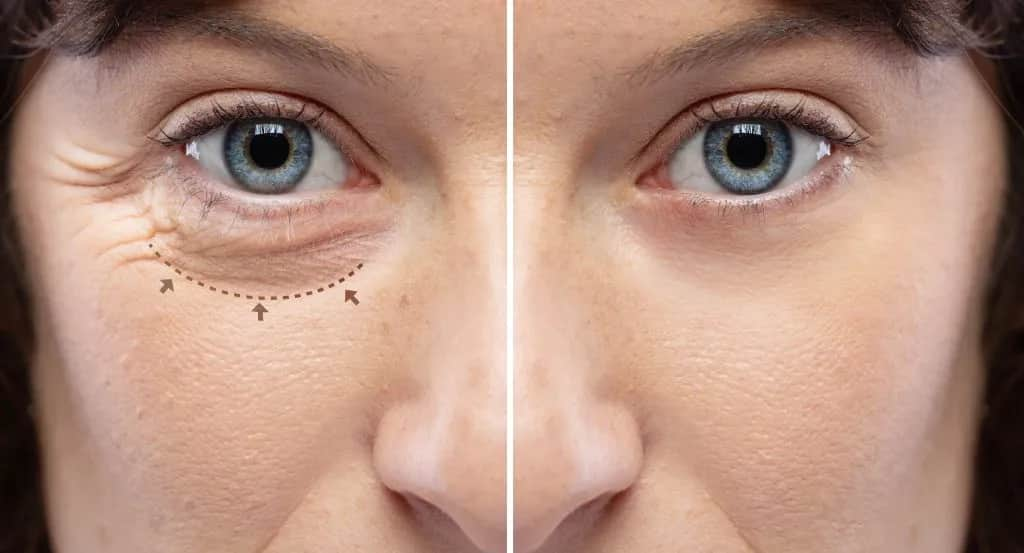
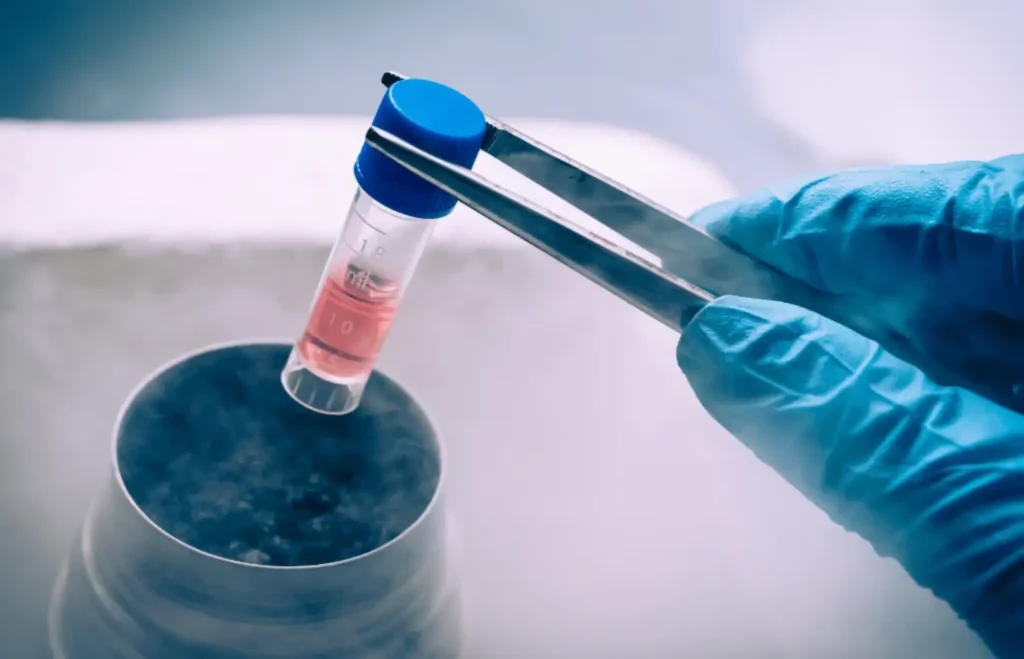

Stem Cell Injections in Busan, South Korea may involve IV administration or localized facial and scalp treatments using different cellular or cell-derived products. Evidence and regulatory status vary by product and indication. Patients should confirm the exact cell source, processing method, clinical evidence, risks, and treatment authorization before proceeding.
BusanSkinClinic.net
Stem Cell Injections in Busan, South Korea may refer to several different types of regenerative medicine procedures, including intravenous (IV) administration, localized facial injections, and scalp or hair-related treatments. However, these approaches are not medically interchangeable. The type and source of cells, how they are processed, where they are administered, the intended indication, regulatory status, and quality of clinical evidence all matter when evaluating a treatment.
For patients considering regenerative medicine in Busan, the most important question is therefore not simply whether a clinic offers “stem cells,” but what exactly is being injected and what evidence supports its use for the specific goal. Some cell-based therapies are established or being studied in regulated clinical settings, while many aesthetic and wellness applications remain investigational. The International Society for Stem Cell Research (ISSCR) warns that many marketed stem-cell treatments have not been adequately demonstrated to be safe and effective for the conditions they claim to treat.
Table of Contents
What Are Stem Cell Injections?
Stem cell injections are medical procedures in which cells with regenerative or tissue-supporting properties are administered to a patient. Depending on the treatment, the cells may come from the patient’s own tissue or from another human source, and they may be minimally manipulated or processed in more complex ways.
The term “stem cell injection” is therefore not a single standardized treatment.
A treatment advertised in Busan could potentially involve:
- Mesenchymal stromal/stem cells (MSCs)
- Adipose-derived cell preparations
- Bone-marrow-derived cells
- Umbilical-cord-derived cells
- Other cellular products
- Stem-cell-derived conditioned media
- Extracellular vesicles or exosomes
These categories should not automatically be considered equivalent.
For example, exosomes are not stem cells. Conditioned media is also not the same as administering living stem cells. A clinic should clearly explain the product’s identity, cellular composition, source, processing method, intended mechanism, and regulatory pathway before treatment.
This distinction is particularly important for patients searching for Stem Cell Therapy in Busan because marketing terminology can make biologically different treatments appear similar.
How Stem Cell Therapy Is Different From Conventional Treatment
Traditional medications generally contain defined chemical or biological ingredients that can be manufactured to consistent specifications.
Cell-based therapies are more complex because living cells can vary according to their source, donor characteristics, processing, culture conditions, viability, and other factors.
The ISSCR notes that stem-cell-based treatments present unique challenges because cells cannot necessarily be produced and quality-tested in exactly the same way as conventional drugs. Long-term safety and the behavior of transplanted cells also require careful evaluation.
This means a high-quality consultation should address more than the name of the procedure.
Patients should understand:
- What cells are being used?
- Where do they come from?
- Are they autologous or allogeneic?
- How are they processed?
- Are they living cells?
- What is the intended medical indication?
- What clinical evidence supports that indication?
- What regulatory approval or clinical-research authorization applies?
- What short- and long-term risks are known?
- What happens if a complication occurs?
Stem Cell Injections in Busan: Three Common Treatment Concepts
When people search for stem cell injections in Busan, they may be interested in three broad treatment routes: IV, facial, or scalp administration.
These routes should be evaluated separately.
1. IV Stem Cell Therapy in Busan
IV stem cell therapy involves administering a cellular product through a vein, allowing the cells or cellular components to enter systemic circulation.
This is fundamentally different from injecting a product directly into the face or scalp.
IV administration has been investigated for numerous medical conditions, particularly in research involving mesenchymal stromal cells. However, evidence for a particular disease cannot automatically be transferred to wellness, anti-aging, or aesthetic claims.
A 2025 review on the safe implementation of intravenous MSC administration emphasized the need for controlled procedures, appropriate cell handling, patient monitoring, and preparation for potential complications such as infusion reactions and embolic events.
A previous review of intravenous MSC safety included 70 studies and thousands of infusions and found relatively few serious adverse events in the analyzed literature, but this should not be interpreted as proof that every commercial IV stem-cell product is safe or effective. The safety of a particular product depends on its source, preparation, indication, dose, and administration protocol.
What should patients ask before IV treatment?
Before an IV cell-based treatment in Busan, ask:
- What specific cells are being infused?
- What is the cell source?
- Are the cells autologous or donor-derived?
- How many cells are administered?
- What quality-control testing is performed?
- How is sterility confirmed?
- What medical condition is the treatment intended to address?
- Is it part of an approved treatment or clinical research?
- What emergency monitoring is available?
- What follow-up is provided after treatment?
A provider who cannot clearly answer these questions should not be assumed to be offering an evidence-based regenerative therapy.
2. Facial Stem Cell Injections in Busan
Facial stem cell injections are generally marketed for skin rejuvenation, tissue quality, facial volume, or regenerative aesthetic purposes.
However, the phrase can describe very different approaches.
Some procedures may involve actual cellular preparations, while others may involve adipose-derived products, growth-factor preparations, conditioned media, or extracellular vesicles.
These treatments should not be grouped together simply because they are promoted using the word “regenerative.”
Research into stem-cell-based facial rejuvenation is ongoing. A systematic review of stem cells in facial regenerative surgery concluded that the field has promising applications but also significant limitations in the current evidence base.
Similarly, research into stem-cell-conditioned media has produced interesting findings. A systematic review and meta-analysis of randomized trials found potential improvements in wrinkles, pigmentation, pores, and overall skin condition when conditioned media was combined with resurfacing procedures. However, conditioned media is not equivalent to injecting living stem cells, and these findings should not be used to claim that injectable stem-cell therapy is established for routine facial rejuvenation.
What can facial regenerative treatments potentially target?
Depending on the actual product and procedure, aesthetic regenerative approaches may be investigated for:
- Skin texture
- Fine lines
- Skin hydration
- Photoaging
- Pigmentation
- Skin elasticity
- Scar remodeling
- Tissue quality
The evidence varies substantially between these applications.
A patient should therefore avoid choosing a treatment solely because a clinic uses terms such as “cell regeneration,” “stem-cell facial,” or “anti-aging cell therapy.”
The exact biological product matters more than the marketing category.
3. Scalp Stem Cell Injections for Hair Loss
Scalp stem cell injections are being investigated as a regenerative approach to hair loss, particularly androgenetic alopecia.
The proposed rationale is that certain cellular or cell-derived products may influence the hair follicle environment through signaling molecules, growth factors, immune modulation, or tissue remodeling.
However, the clinical evidence remains developing.
A systematic review examining stem-cell approaches for androgenetic alopecia identified 14 studies and concluded that the treatment appeared promising, while emphasizing that results should be interpreted cautiously until larger and more representative studies reproduce the findings.
Another systematic review focusing on autologous stem-cell-derived therapies for androgenetic alopecia found a growing body of research but highlighted the need for stronger clinical evidence.
This means patients should be careful with claims such as:
- “Permanent hair regeneration”
- “Guaranteed follicle regeneration”
- “Cures baldness”
- “Replaces hair transplantation”
- “Works for everyone”
- “Guaranteed new hair growth”
These statements go beyond what current evidence can reliably establish.
Stem Cell Scalp Treatment vs. Standard Hair-Loss Treatment
A major practical point is that regenerative approaches should not automatically replace established hair-loss management.
For androgenetic alopecia, conventional options may include medical treatments such as minoxidil and, for appropriate patients, finasteride or other physician-directed therapies.
A 2025 systematic review and network meta-analysis evaluated multiple conventional and non-conventional approaches for male androgenetic alopecia, illustrating the broader evidence base surrounding established and emerging treatments.
For some patients, regenerative treatments may be investigated as complementary approaches rather than substitutes for treatments with more established evidence.
Are Stem Cell Injections Approved for Anti-Aging?
This is one of the most important questions patients should ask.
“Stem cell therapy” is not automatically an approved anti-aging treatment simply because it uses human cells.
Regulatory approval is indication-specific.
The U.S. FDA warns consumers about unapproved regenerative medicine products, including stem cells and related products, and has reported serious adverse events associated with some unapproved products, including infections, neurological events, blindness, and tumor formation.
The ISSCR similarly states that most marketed stem-cell treatments remain experimental for many conditions and recommends that patients distinguish approved therapies from investigational interventions.
Therefore, a clinic saying that a product is “FDA registered,” listed in a clinical-trial database, or “used internationally” does not by itself establish regulatory approval or proven efficacy for the patient’s intended use.
What About Stem Cell Treatment in South Korea?
South Korea has a formal regulatory framework governing advanced regenerative medicine and advanced biological products.
The Act on the Safety of and Support for Advanced Regenerative Medicine and Advanced Biological Products defines advanced regenerative medicine and establishes requirements related to clinical research, institutions, review, and safety management.
The Korean Ministry of Food and Drug Safety (MFDS) has also established procedures and guidance concerning advanced regenerative medicine clinical research and cell-based products.
This is important for international patients because the existence of a regenerative-medicine regulatory framework does not mean every commercially advertised stem-cell injection is an approved treatment.
When considering treatment in Busan, patients should ask which regulatory pathway applies to the specific procedure being offered.
What Are the Risks of Stem Cell Injections?
The risk depends on the exact product and route of administration.
Potential concerns can include:
- Infection
- Bleeding or bruising
- Pain or inflammation
- Allergic or immune reactions
- Infusion reactions
- Thrombotic or embolic events
- Unintended tissue effects
- Contamination during processing
- Abnormal tissue growth
- Tumor formation
- Unknown long-term effects
The ISSCR specifically identifies risks including acute infusion toxicity, immune reactions, and tumor development as important considerations in cell-based interventions.
For IV MSC administration, recent safety recommendations also emphasize appropriate preparation, monitoring, and management of potential embolic complications.
For facial or scalp injections, local risks such as infection, swelling, inflammation, pain, and injury to surrounding structures must also be considered.
The important principle is that “natural,” “autologous,” or “regenerative” does not mean risk-free.
Autologous vs. Allogeneic Stem Cells
One of the most important distinctions is whether the cells come from the patient or another person.
Autologous
Autologous cells are obtained from the same patient receiving treatment.
Potential advantages include reduced concerns related to donor compatibility, but autologous treatment is not automatically safe or effective. Processing, contamination, cell quality, manipulation, and the intended use remain important.
Allogeneic
Allogeneic cells come from another individual.
These products may offer practical advantages for manufacturing and availability but introduce additional considerations regarding donor screening, immune response, manufacturing, and quality control.
Patients should ask exactly which category applies to the treatment being proposed.
Stem Cells vs. Exosomes: What Is the Difference?
This distinction is particularly important because the terms are frequently used together in aesthetic marketing.
Stem cells are living cells. Exosomes are extracellular vesicles released by cells.
Exosomes can carry signaling molecules and are being studied for regenerative applications, including hair loss and skin rejuvenation. However, they should not be described as stem cells.
A 2025 systematic review of exosome-based hair-regeneration studies found promising clinical signals but concluded that safety and efficacy still require further investigation.
A 2026 systematic review similarly described exosome-driven approaches for androgenetic alopecia as promising while emphasizing translational and methodological challenges.
Therefore, if a Busan clinic advertises “stem cell + exosome therapy,” patients should ask exactly what is being administered rather than assuming they are receiving two forms of stem cells.
How to Evaluate a Stem Cell Clinic in Busan
For international patients, clinic selection should begin with product transparency and medical oversight, not promotional claims.
1. Identify the exact product
Ask for the complete name and description of the cell or cellular product.
2. Determine the source
Find out whether the cells are:
- Autologous
- Allogeneic
- Bone-marrow-derived
- Adipose-derived
- Umbilical-cord-derived
- Another source
3. Ask how the cells are processed
Processing can affect cell identity, viability, sterility, and safety.
4. Ask for the evidence
A credible provider should be able to explain published evidence supporting the specific indication.
5. Check the regulatory pathway
Ask whether the treatment is:
- An approved medical treatment
- Part of an authorized clinical study
- An investigational intervention
- A commercially offered procedure without established approval for the claimed indication
6. Understand the risks
Do not accept “there are no side effects” as an adequate medical explanation.
7. Ask about follow-up
Especially for IV treatment, patients should know who manages complications and how follow-up is performed after returning home.
What International Patients Should Know Before Traveling to Busan
Stem cell tourism can create additional medical challenges.
A patient traveling to Busan may receive treatment and then return home before a delayed complication becomes apparent.
Before traveling, consider:
- How long you should remain in Korea after treatment
- Whether a follow-up appointment is required
- Who provides emergency care
- Whether treatment records are available in English
- What exact product was administered
- Whether batch or product documentation is available
- What to do if complications occur after returning home
- Whether your local physician can access the treatment records
The ISSCR recommends that patients considering unproven stem-cell interventions obtain clear information about the treatment, scientific rationale, risks, alternatives, and informed consent, and it encourages patients to seek independent medical advice.
This is particularly relevant to international patients because follow-up may cross national healthcare systems.
IV vs. Facial vs. Scalp Stem Cell Treatments
| Treatment route | Main concept | Evidence status | Key consideration |
|---|---|---|---|
| IV stem cell therapy | Systemic administration through a vein | Indication-specific; many uses remain investigational | Cell source, product quality, monitoring and indication |
| Facial injections | Localized regenerative/aesthetic application | Emerging and heterogeneous | Actual cellular product vs. cell-derived product |
| Scalp injections | Local hair-loss treatment | Promising but still developing | Diagnosis of hair loss and comparison with established therapies |
| Exosome treatment | Cell-free extracellular vesicles | Early clinical evidence | Not the same as living stem cells |
| Conditioned media | Cell-derived signaling factors | Some supportive research | Not equivalent to stem-cell transplantation |
The most important conclusion from this comparison is that the injection route alone does not determine effectiveness. The specific product, indication, evidence, dose, administration method, and regulatory status are all relevant.
Questions to Ask Before Stem Cell Injections in Busan
Before paying for treatment, ask the following:
What exactly will be injected?
Are these living stem cells, stromal cells, exosomes, conditioned media, or another product?
Where do the cells come from?
Are they autologous or allogeneic?
What medical condition is this treatment intended to treat?
What published clinical evidence supports this specific use?
Is the treatment approved for this indication in Korea?
If it is investigational, is it being conducted under an authorized clinical-research pathway?
What are the known short- and long-term risks?
What follow-up is required after treatment?
A reputable provider should welcome these questions rather than presenting them as unnecessary.
What Results Should Patients Expect?
Results should be discussed according to the specific treatment rather than using generic promises of “regeneration.”
For scalp treatments, for example, changes in hair density may take time because hair follicles operate through growth cycles.
For facial treatments, improvements in skin quality may differ from structural changes in facial volume or lifting.
For IV therapy, the expected outcome depends entirely on the medical indication and biological product.
A key warning sign is a clinic promising the same regenerative benefit for unrelated conditions such as hair loss, skin aging, chronic fatigue, joint disease, and general wellness using essentially the same product.
The ISSCR specifically identifies broad claims that the same cells can treat multiple unrelated diseases as a warning sign requiring careful scrutiny.
FAQs
What are Stem Cell Injections in Busan?
Stem Cell Injections in Busan refer broadly to treatments involving stem cells or other cellular products administered through routes such as IV infusion, facial injection, or scalp injection. The treatment should be evaluated according to the specific cell type, source, processing method, medical indication, evidence, and regulatory status.
What is IV Stem Cell Therapy in Busan?
IV Stem Cell Therapy in Busan involves administering a cellular product intravenously. Research has investigated intravenous mesenchymal stromal/stem cells for specific medical conditions, but evidence does not automatically support general anti-aging or wellness claims. Patients should confirm the exact product, indication, safety monitoring, and regulatory pathway.
Are Facial Stem Cell Injections effective for skin rejuvenation?
Facial Stem Cell Injections are an emerging area of regenerative aesthetics. Research into stem cells and cell-derived products suggests potential applications in skin quality and tissue regeneration, but evidence varies by product and technique. Patients should distinguish living stem cells from exosomes, conditioned media, and other cell-derived products.
Do Scalp Stem Cell Injections help with hair loss?
Scalp Stem Cell Injections are being studied for conditions such as androgenetic alopecia. Early clinical research is promising, but evidence remains limited compared with established hair-loss treatments. Results depend on the diagnosis, cellular product, treatment protocol, and individual response, so guaranteed hair regrowth should not be expected.
Are Stem Cell Injections in Busan safe and regulated?
The safety of Stem Cell Injections in Busan depends on the specific cellular product, manufacturing process, route, indication, and medical oversight. South Korea has a regulatory framework for advanced regenerative medicine, but patients should verify whether a particular treatment is approved, authorized as clinical research, or investigational for its intended use.
Final Takeaway
Stem Cell Injections in Busan, South Korea can involve very different medical procedures, and patients should not assume that IV, facial, and scalp treatments have the same evidence, mechanism, or safety profile.
IV administration has been studied extensively in clinical research involving mesenchymal stromal cells, while facial regenerative aesthetics and scalp treatments remain areas of active investigation with varying levels of evidence. Research into hair loss and skin rejuvenation is encouraging in some areas, but promising research should not be confused with established clinical efficacy.
For patients considering treatment in Busan, the most useful approach is to evaluate the exact cellular product, source, processing method, intended indication, clinical evidence, Korean regulatory pathway, risks, and follow-up plan.
The word “stem cell” alone does not tell you whether a treatment is scientifically established.
Before treatment, ask a simple but critical question:
“What exactly is being injected, why is it appropriate for my condition, and what evidence supports its use?”
That question is more valuable than choosing a treatment based solely on the promise of regeneration, anti-aging, hair growth, or a promotional package.
For international patients, obtaining written treatment information, informed consent, product details, and follow-up instructions before traveling can also help ensure that medical decisions are based on evidence rather than marketing language. The ISSCR recommends careful review of scientific evidence, risks, alternatives, oversight, and informed consent when considering experimental stem-cell interventions.
Resource
- SZLINE Dermatology & Aesthetic – Stem Cell IV Therapy
- Korean Law Information Center – Advanced Regenerative Medicine and Advanced Biological Products Act
- U.S. FDA – Consumer Alert on Regenerative Medicine Products
- PubMed – Recommendations for Safe Intravenous Administration of Mesenchymal Stromal Cells