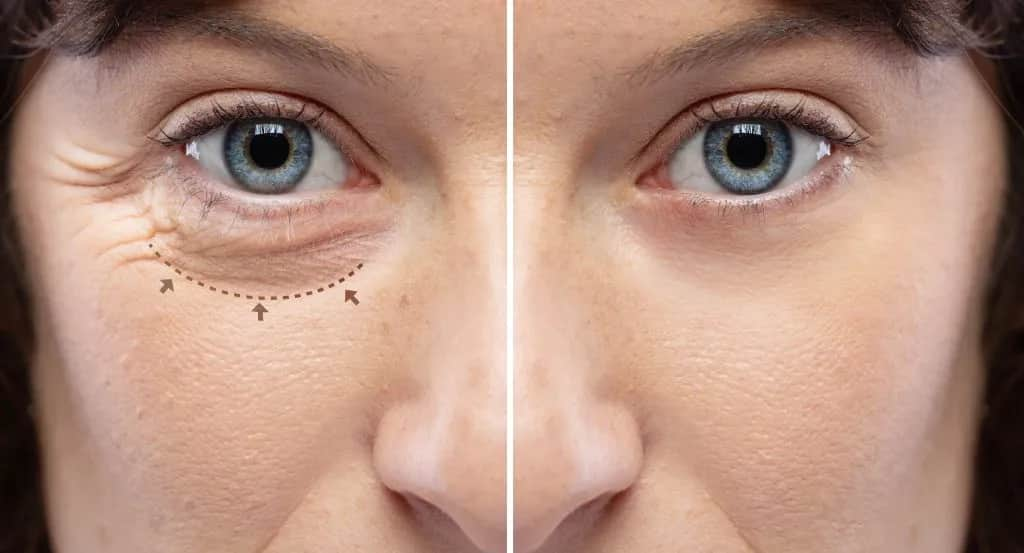
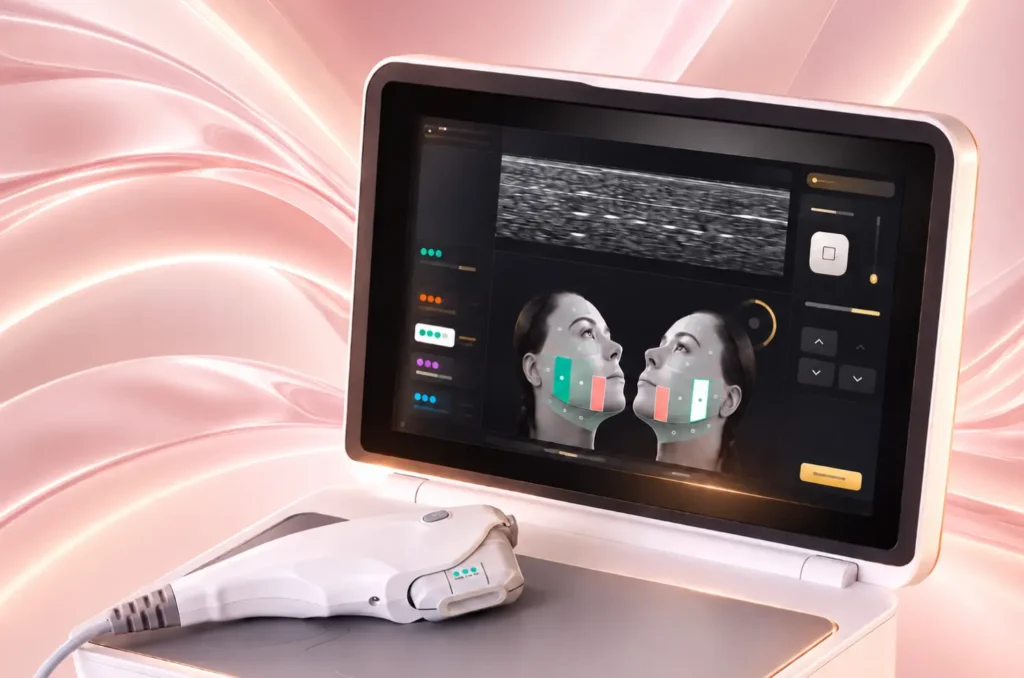

Ultherapy PRIME in Busan, Korea, is a non-surgical skin lifting treatment that uses microfocused ultrasound with real-time imaging to stimulate collagen production. It helps improve mild to moderate facial and neck sagging, enhance jawline definition, and tighten loose skin without surgery or extended downtime.
BusanSkinClinic.net
Ultherapy PRIME in Busan, Korea, is an advanced non-surgical skin lifting treatment designed to improve skin firmness, define facial contours, and reduce the appearance of sagging associated with aging. Using microfocused ultrasound with real-time imaging (MFU-V), the treatment delivers controlled thermal energy into targeted tissue layers, including the deep structural layer known as the Superficial Muscular Aponeurotic System (SMAS), without surgically cutting the skin.
For international patients considering facial rejuvenation in South Korea, Ultherapy PRIME offers an option for improving mild to moderate skin laxity without general anesthesia, surgical incisions, or an extended recovery period. Dermatology and aesthetic clinics in Busan provide access to ultrasound-based lifting treatments, allowing patients to explore non-surgical alternatives to a traditional facelift. However, treatment suitability, the number of ultrasound lines, expected improvement, and total cost depend on individual facial anatomy, skin condition, and clinical assessment.
This guide explains how Ultherapy PRIME works, who may benefit, what happens during treatment, expected results, potential side effects, and what international patients should consider when choosing an Ultherapy provider in Busan.
Table of Contents

What Is Ultherapy PRIME?
Ultherapy PRIME is an advanced generation of the Ultherapy platform, a non-invasive aesthetic treatment that uses microfocused ultrasound with visualization to stimulate collagen remodeling and improve skin laxity.
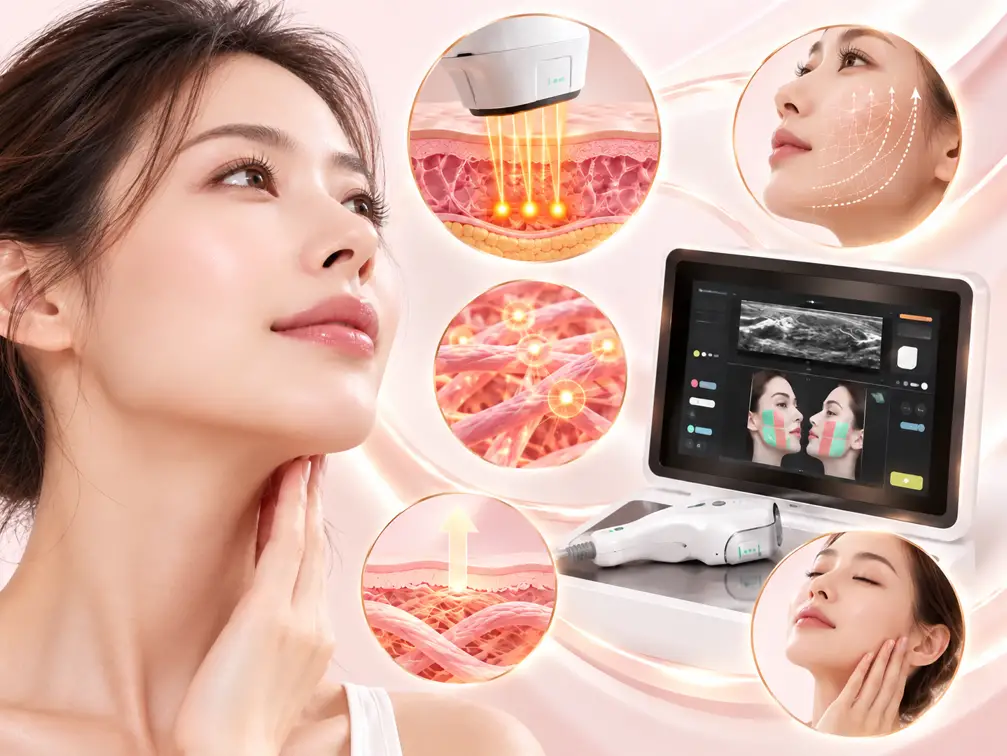
Unlike conventional radiofrequency treatments that primarily heat tissue through electrical energy, Ultherapy uses focused ultrasound energy to create small, controlled thermal coagulation points beneath the skin. These treatment points trigger the body’s natural wound-healing response, encouraging collagen remodeling over time.
The treatment is designed to target selected tissue depths while allowing the practitioner to visualize the underlying tissue before delivering energy.
Key characteristics of Ultherapy PRIME include:
- Non-surgical lifting: Improves the appearance of loose skin without surgical incisions.
- Microfocused ultrasound technology: Concentrates thermal energy at selected depths beneath the skin.
- Real-time ultrasound visualization: Helps practitioners assess tissue layers and treatment depth.
- Collagen stimulation: Supports gradual improvements in skin firmness and elasticity.
- Minimal downtime: Most patients can return to normal daily activities relatively quickly.
- Personalized treatment planning: Energy delivery and treatment coverage can be adjusted according to facial anatomy and individual needs.
The primary objective is to improve the appearance of skin laxity rather than remove excess skin or reproduce the structural changes achieved through surgical facelift procedures.
How Does Ultherapy PRIME Work?
Ultherapy PRIME works by delivering focused ultrasound energy beneath the skin at carefully selected depths. The energy creates localized thermal points that initiate a biological repair response.
This process can be understood in three main stages.
1. Ultrasound Energy Reaches Targeted Tissue Layers
The treatment uses ultrasound transducers designed to focus energy at different depths. Depending on the treatment area and the patient’s anatomy, practitioners may select different transducer depths, commonly including:
- 1.5 mm: Targets superficial dermal tissue.
- 3.0 mm: Targets deeper dermal and subdermal tissue.
- 4.5 mm: Targets deeper foundational tissue, including the SMAS region where anatomically appropriate.
These depths are not interchangeable, and the correct selection depends on the thickness and structure of the tissue being treated.
2. Controlled Thermal Points Stimulate Collagen Remodeling
When focused ultrasound energy reaches its intended target, it produces localized heating. This creates small thermal coagulation zones while minimizing disruption to surrounding tissue.
The resulting healing response stimulates collagen remodeling. Collagen is a structural protein that helps maintain skin firmness, elasticity, and support.
As collagen gradually reorganizes, the treated area may become firmer and appear more lifted.
3. Skin Firmness Improves Gradually
Unlike treatments that produce temporary surface changes, Ultherapy PRIME relies on a biological response that develops over time.
Some patients notice early changes, but more meaningful collagen-related improvements generally develop over approximately two to three months and can continue for several months.
Results vary according to age, skin condition, treatment parameters, lifestyle, and individual collagen response.
Ultherapy PRIME vs. Traditional Ultherapy: What Has Changed?
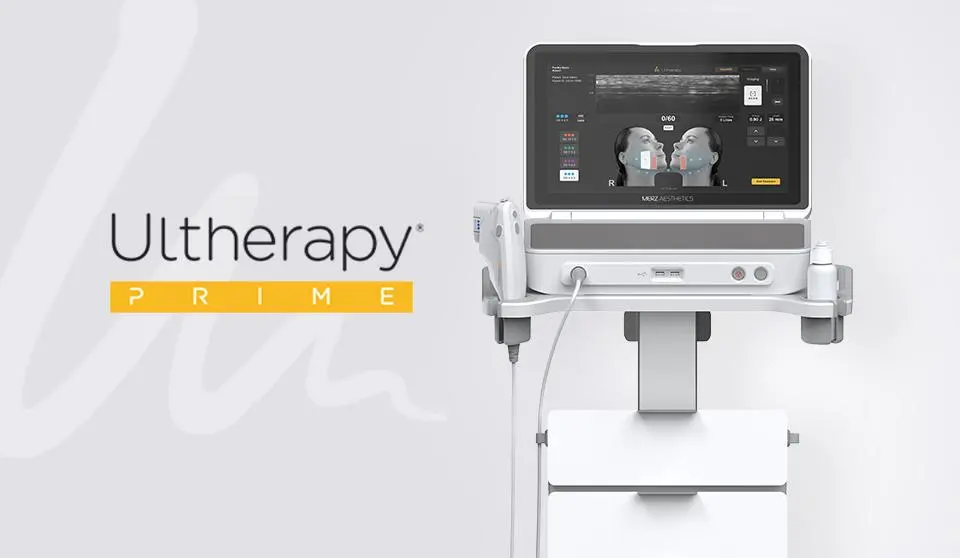
Ultherapy PRIME is the next-generation platform introduced by Merz Aesthetics in September 2024. It builds on the established Ultherapy technology and incorporates an updated treatment platform with enhanced real-time imaging and a redesigned user interface.
| Feature | Traditional Ultherapy | Ultherapy PRIME |
|---|---|---|
| Technology | Microfocused ultrasound with visualization | Microfocused ultrasound with enhanced visualization platform |
| Imaging | DeepSEE real-time ultrasound | Updated imaging experience |
| Treatment depth | Multiple transducer depths | Multiple transducer depths |
| Treatment planning | Individualized | Individualized |
| Primary objective | Non-surgical skin lifting | Non-surgical skin lifting and tightening |
| Treatment approach | Controlled ultrasound energy | Controlled ultrasound energy |
The important distinction is that Ultherapy PRIME is not an entirely different biological treatment. It retains the established microfocused ultrasound principle while upgrading the platform and imaging experience.
Patients should not assume that the newer device automatically produces dramatically better lifting results than traditional Ultherapy. Clinical outcomes still depend on correct patient selection, anatomical assessment, transducer selection, treatment technique, and appropriate energy delivery.
What Areas Can Ultherapy PRIME Treat?
Ultherapy PRIME is primarily associated with facial and neck rejuvenation, although its treatment applications are expanding.
1. Cheeks and Midface
Age-related collagen loss and reduced tissue support can contribute to sagging cheeks and changes in facial contours.
Ultherapy PRIME may help improve the appearance of mild to moderate laxity by stimulating collagen remodeling in selected tissue layers.
Potential treatment goals include:
- Improving cheek firmness.
- Addressing mild midface sagging.
- Supporting a more defined facial contour.
- Improving the appearance of loose skin.
It is not a substitute for surgical correction when substantial tissue descent or excess skin is present.
2. Jawline and Lower Face
A less-defined jawline is a common concern among people experiencing age-related skin laxity.
Ultherapy PRIME can target selected areas around the lower face to improve skin firmness and the appearance of jawline definition.
It may be considered for patients with early jowling or mild lower-face sagging.
However, a double chin caused primarily by excess fat may require a different treatment approach. Ultrasound lifting should not be presented as a guaranteed fat-reduction procedure.
3. Double Chin and Under-Chin Area
Loose skin beneath the chin can contribute to an undefined neck-to-jaw transition.
Ultherapy PRIME may improve the appearance of mild skin laxity in the submental region.
A clinical assessment should distinguish between:
- Loose skin caused by reduced elasticity.
- Submental fat accumulation.
- Anatomical chin or jaw structure.
- A combination of skin laxity and excess fat.
This distinction is important because different underlying causes require different treatment strategies.
4. Neck
The neck is particularly susceptible to visible aging because its skin is relatively thin and may lose elasticity over time.
Ultherapy PRIME can be used to address selected areas of neck laxity and improve the appearance of loose skin.
Treatment planning should consider skin thickness, underlying structures, and the location of important anatomical features.
5. Décolletage and Chest Wrinkles
The décolletage refers to the upper chest area, where sun exposure, collagen loss, and repetitive skin folding can contribute to wrinkles.
Ultherapy technology has an established indication for improving the appearance of lines and wrinkles in the décolletage. Treatment suitability should be evaluated individually.
Who Is a Good Candidate for Ultherapy PRIME in Busan?
Ultherapy PRIME is generally most appropriate for adults who want gradual, non-surgical improvement in skin firmness rather than dramatic facial restructuring.
Potential candidates include:
- Adults noticing early signs of facial sagging.
- Patients with mild to moderate skin laxity.
- Individuals concerned about loose skin around the jawline.
- People experiencing mild cheek or neck sagging.
- Patients who prefer non-surgical rejuvenation.
- Individuals who want gradual improvements without a prolonged recovery period.
Who May Not Be an Ideal Candidate?
Ultherapy PRIME may not provide the desired results for everyone.
Patients with the following concerns may require alternative or additional treatments:
| Skin or facial concern | Clinical consideration |
|---|---|
| Severe skin laxity | A surgical facelift may be more appropriate |
| Significant excess facial fat | Fat-directed treatments or other approaches may be considered |
| Very thin facial tissues | Treatment planning must account for reduced soft-tissue thickness |
| Active skin infection | Treatment should generally be postponed |
| Open wounds in the treatment area | The affected area requires medical evaluation |
| Significant facial volume loss | Volume restoration may be more appropriate than lifting alone |
Patients with implanted electronic devices, metal implants in the treatment area, relevant medical conditions, or previous facial procedures should disclose these details before treatment. The practitioner must review the manufacturer’s current contraindications and precautions.
What Happens During an Ultherapy PRIME Treatment?

A properly planned Ultherapy PRIME session involves more than simply applying ultrasound energy to the face. The treatment should begin with a medical assessment and an individualized treatment strategy.
Step 1: Consultation and Facial Assessment
The practitioner evaluates:
- Skin laxity and elasticity.
- Facial fat distribution.
- Jawline and cheek contours.
- Skin thickness.
- Facial symmetry.
- Previous aesthetic treatments.
- Medical history and potential contraindications.
Standardized photographs can help document the initial condition and compare subsequent changes.
Step 2: Treatment Area Mapping
The practitioner identifies the areas requiring treatment and determines the appropriate ultrasound depths.
Treatment mapping should reflect the patient’s facial anatomy rather than follow a standardized pattern for every patient.
Step 3: Skin Preparation
The treatment area is cleansed, and an appropriate ultrasound coupling gel is applied.
The practitioner positions the handpiece to establish proper contact with the skin and visualize the underlying tissue.
Step 4: Ultrasound Energy Delivery
The selected transducer delivers focused ultrasound energy to predetermined treatment depths.
The practitioner monitors tissue visualization and applies treatment according to the patient’s anatomy and the treatment plan.
Patients may experience warmth, tingling, or brief sensations of discomfort during energy delivery.
Step 5: Post-Treatment Assessment
After treatment, the practitioner checks the treated areas and provides aftercare instructions.
Most patients can resume routine activities relatively quickly, although temporary tenderness, redness, swelling, or bruising may occur.
When Will You See Results After Ultherapy PRIME?
Ultherapy PRIME does not produce its full effect immediately. Its primary mechanism involves collagen remodeling, which takes time.
Typical post-treatment improvement timeline
- Immediately after treatmentSome patients notice a subtle initial tightening effect, but this should not be confused with the final outcome.
- 2–4 weeksEarly tissue remodeling may begin. Changes can be subtle and vary between individuals.
- 2–3 monthsCollagen remodeling may produce more noticeable improvements in firmness and facial contour.
- 3–6 monthsImprovements may continue to develop as the tissue remodeling process progresses.
Illustrative clinical timeline, not a guaranteed schedule for every patient.
How Long Do Ultherapy PRIME Results Last?
Results may last approximately 12–18 months in some patients, although longevity varies considerably.
Factors affecting the duration include:
- Natural aging and collagen loss.
- Initial skin laxity.
- Individual collagen response.
- Sun exposure and skincare habits.
- Lifestyle and general health.
- Treatment technique and coverage.
Maintenance treatment should be based on an actual reassessment of skin condition rather than an automatic requirement to repeat the procedure every year.
Is Ultherapy PRIME Painful? Side Effects and Safety Considerations
Ultherapy PRIME is a non-surgical procedure, but it is not necessarily painless.
During treatment, patients may experience:
- Brief heat sensations.
- Tingling or prickling.
- Tenderness around the jawline.
- Discomfort when treating areas close to bone.
- Temporary sensitivity in treated areas.
The intensity of discomfort depends on treatment location, energy settings, individual sensitivity, and treatment coverage.
Possible Side Effects
Common temporary reactions include:
- Redness.
- Mild swelling.
- Tenderness.
- Bruising.
- Temporary sensitivity.
- Tingling or altered sensation.
Less common but important potential complications include burns, skin injury, persistent sensory changes, and temporary nerve-related symptoms. Appropriate anatomical knowledge, device handling, and patient selection are essential for reducing risk.
A 2025 systematic review and meta-analysis published in the Aesthetic Surgery Journal evaluated 42 studies of microfocused ultrasound with visualization. It reported that 89% of assessed patients demonstrated some degree of improvement according to investigators, while 84% reported improvement themselves. Common adverse events included redness, swelling, bruising, and tenderness, generally classified as mild to moderate. The researchers also highlighted differences between studies and the possibility of overestimating satisfaction. These findings relate to MFU-V treatments overall and should not be interpreted as a guaranteed Ultherapy PRIME-specific success rate.
Patients should contact their treating clinic if they experience persistent pain, significant swelling, blistering, facial weakness, or unusual changes in sensation.
Ultherapy PRIME vs. Thermage FLX vs. HIFU: Which Is Better?
Patients visiting Busan for non-surgical facial rejuvenation often compare Ultherapy PRIME with Thermage FLX and other HIFU treatments.
Although these procedures share the goal of improving skin firmness, they use different energy technologies and have different treatment characteristics.
| Comparison | Ultherapy PRIME | Thermage FLX | Conventional HIFU |
|---|---|---|---|
| Energy technology | Microfocused ultrasound with visualization | Monopolar radiofrequency | High-intensity focused ultrasound |
| Main target | Selected deeper tissue layers | Dermal and subdermal tissue | Depends on device and transducer |
| Real-time tissue imaging | Yes, DeepSEE technology | No equivalent ultrasound imaging | Varies by device |
| Main objective | Lifting and tightening | Skin tightening and improved firmness | Lifting and tightening |
| Collagen remodeling | Yes | Yes | Yes |
| Treatment approach | Depth-specific ultrasound delivery | Radiofrequency heating | Focused ultrasound delivery |
| Downtime | Usually minimal | Usually minimal | Usually minimal |
Ultherapy PRIME vs. Thermage FLX
Ultherapy PRIME
Uses focused ultrasound energy and real-time tissue visualization. It is often considered when the primary concern is skin laxity and lifting of selected facial and neck areas.
Thermage FLX
Uses monopolar radiofrequency to heat tissue and stimulate collagen remodeling. It is commonly considered for skin tightening, firmness, and the appearance of wrinkles.
Neither treatment is universally superior. The more appropriate option depends on whether the patient’s primary concern is tissue laxity, skin quality, wrinkles, or a combination of these issues.
Can Ultherapy PRIME and Thermage FLX Be Combined?
Some aesthetic treatment plans combine ultrasound lifting and radiofrequency skin tightening.
The rationale is that the technologies deliver energy differently and may address complementary aspects of skin aging.
However, combining treatments does not automatically improve outcomes. The practitioner should consider treatment intensity, timing, facial fat distribution, skin thickness, and the patient’s medical history.
Ultherapy PRIME Cost in Busan, Korea
The cost of Ultherapy PRIME in Busan varies between aesthetic clinics according to treatment coverage, the number of ultrasound lines, the treatment areas, and the clinic’s pricing policy.
The total price may also depend on whether the treatment focuses on the lower face, full face, face and neck, or additional areas.
What Determines the Price?
| Pricing factor | How it affects treatment cost |
|---|---|
| Number of ultrasound lines | More treatment lines generally increase the treatment price |
| Treatment area | Full-face and face-and-neck treatments generally require more coverage |
| Transducer selection | Different treatment depths may be required |
| Individual treatment plan | Facial anatomy and skin condition affect the procedure |
| Practitioner experience | Clinical expertise and treatment planning may influence pricing |
| Additional procedures | Combination treatments increase the overall cost |
How Many Lines Are Needed?
There is no universal number of lines suitable for every patient.
The appropriate treatment coverage depends on facial size, skin laxity, tissue thickness, and the areas requiring improvement.
A patient with mild lower-face sagging may need a different treatment plan from someone with more extensive laxity involving the cheeks, jawline, and neck.
Patients should ask clinics to explain:
- The recommended number of lines.
- Which facial areas will be treated.
- Which transducer depths will be used.
- Whether the quoted price includes the consultation and aftercare.
- Whether the treatment uses an authentic Ultherapy PRIME device.
Important: An unusually low advertised price should not be the only deciding factor. Patients should prioritize device authenticity, medical assessment, practitioner qualifications, and transparent treatment planning.
Why Choose Busan, Korea for Ultherapy PRIME?
Busan is one of South Korea’s major medical and tourism destinations, with established healthcare facilities and a growing aesthetic medicine market.
For international visitors, the city offers several practical advantages when considering non-surgical skin rejuvenation.
1. Access to Korean Aesthetic Medicine
South Korea has an established aesthetic medicine industry, including dermatology, laser treatments, ultrasound lifting, and non-surgical facial rejuvenation.
Patients can explore different treatment approaches and receive individualized consultations based on their skin condition.
2. Convenient International Travel
Busan is accessible through Gimhae International Airport and South Korea’s domestic transportation network.
The city also provides accommodation, shopping, restaurants, and tourism facilities, making it a practical destination for visitors combining healthcare consultations with travel.
3. Personalized Treatment Planning
International patients should look for clinics that provide detailed consultations rather than recommending the same number of ultrasound lines to every visitor.
A good consultation should explain the patient’s facial anatomy, treatment suitability, realistic results, possible side effects, and alternative procedures.
4. Multilingual Patient Support
Patients who do not speak Korean should consider clinics that can provide professional English, Chinese, Japanese, or other language assistance.
Clear communication is particularly important when discussing medical history, contraindications, informed consent, and post-treatment instructions.
How to Choose a Reliable Ultherapy PRIME Clinic in Busan
Selecting the right clinic is an important part of achieving safe and satisfactory results.
Before booking an appointment, international patients should verify the following:
- Authentic equipment: Confirm that the clinic uses the genuine Ultherapy PRIME platform rather than a generic HIFU device.
- Qualified medical practitioner: Ask who performs the procedure and whether the practitioner has relevant training and experience.
- Real-time visualization: Confirm that the practitioner uses the device’s ultrasound imaging capabilities appropriately.
- Personalized treatment plan: The treatment should be based on facial anatomy and individual skin condition.
- Transparent pricing: Request a clear explanation of the number of lines, treatment areas, and total cost.
- Safety assessment: The clinic should review medical history, previous procedures, and possible contraindications.
- Aftercare support: Ensure that the clinic provides instructions and a way to contact the medical team if complications occur.
FAQs
What is Ultherapy PRIME in Busan, Korea, and how does it work?
Ultherapy PRIME in Busan, Korea, is an advanced non-surgical face lifting treatment that uses microfocused ultrasound with real-time imaging (MFU-V). It delivers focused energy into selected tissue layers to stimulate collagen remodeling, improve skin firmness, and reduce the appearance of mild to moderate facial and neck sagging without surgery.
How much does Ultherapy PRIME cost in Busan, Korea?
The cost of Ultherapy PRIME in Busan, Korea, depends on the number of ultrasound lines, treatment areas, transducer selection, and individual skin condition. Full-face and face-and-neck treatments generally require different treatment coverage. Patients should request a personalized consultation and transparent pricing from a qualified Korean aesthetic clinic.
How long do Ultherapy PRIME results last after treatment in Korea?
Ultherapy PRIME results may last approximately 12–18 months in some patients, depending on age, skin elasticity, collagen response, and lifestyle. Initial improvements may develop gradually, with more noticeable skin tightening and facial lifting commonly appearing within two to three months after treatment.
Is Ultherapy PRIME better than Thermage FLX for non-surgical face lifting?
Ultherapy PRIME and Thermage FLX use different technologies for skin rejuvenation. Ultherapy PRIME uses microfocused ultrasound with real-time imaging to target selected deeper tissue layers, while Thermage FLX uses monopolar radiofrequency to stimulate collagen remodeling. The better option depends on individual skin laxity, facial anatomy, and treatment goals.
Why should international patients choose Ultherapy PRIME in Busan, Korea?
International patients may consider Ultherapy PRIME in Busan, Korea, for access to Korean aesthetic medicine providers, personalized facial lifting consultations, and modern non-surgical skin tightening treatments. Before booking, patients should verify authentic equipment, practitioner qualifications, multilingual support, transparent pricing, and appropriate post-treatment care.
Final Thoughts: Is Ultherapy PRIME Worth Considering in Busan?
Ultherapy PRIME offers a non-surgical approach to improving facial and neck skin laxity through microfocused ultrasound technology and collagen remodeling. Its real-time imaging capabilities help practitioners visualize tissue layers and plan treatment according to individual facial anatomy.
For international patients considering Ultherapy PRIME in Busan, Korea, the most important factors are not simply the device generation or advertised number of treatment lines. Authentic equipment, appropriate patient selection, practitioner expertise, anatomical assessment, and realistic expectations all contribute to treatment quality.
Patients with mild to moderate skin laxity may be suitable candidates, while those with significant excess skin, substantial facial volume loss, or pronounced sagging may benefit from other approaches.
A professional consultation is the best starting point for determining whether Ultherapy PRIME, Thermage FLX, or another rejuvenation treatment is appropriate for your facial condition.