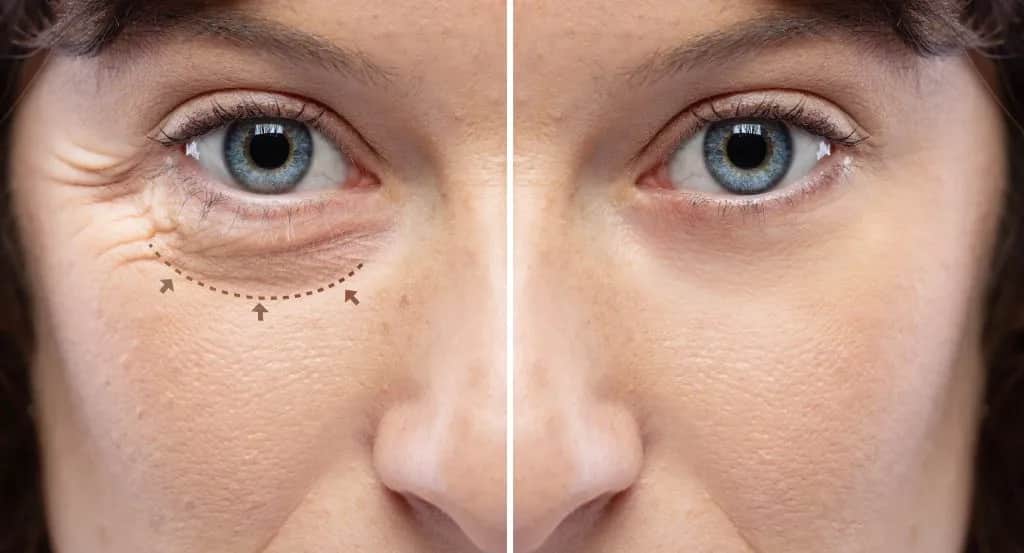
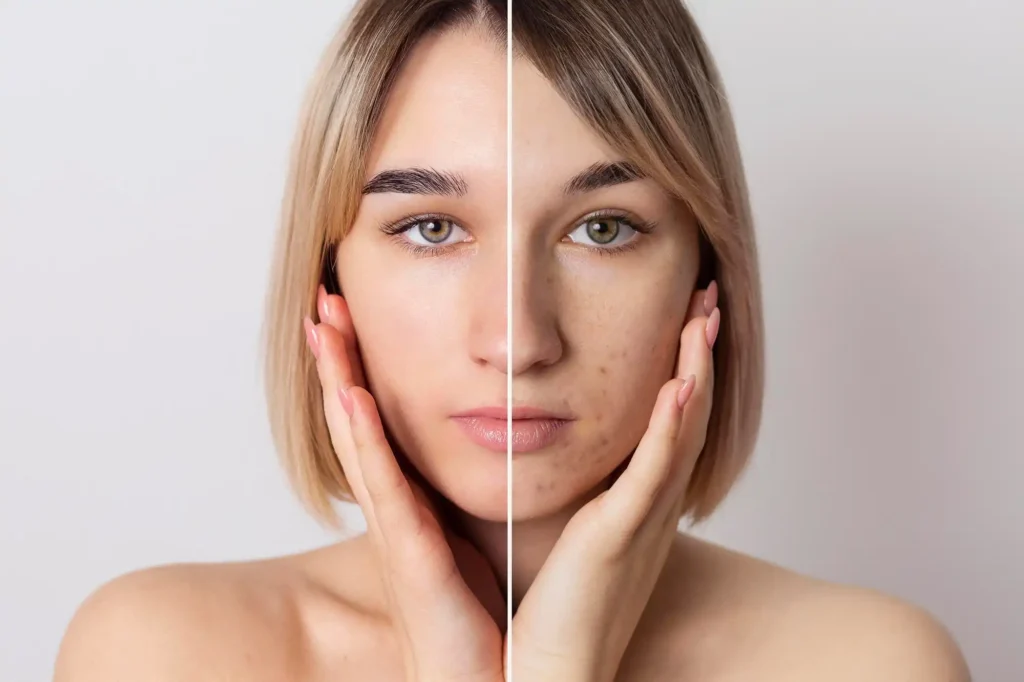

Helios III Laser in Busan is a Q-switched Nd:YAG laser system used for laser pigmentation removal, skin brightening laser treatment, and skin rejuvenation. It delivers 1064 nm and 532 nm wavelengths to break down excess melanin safely, improving uneven tone, freckles, melasma, and dull skin with minimal downtime.
BusanSkinClinic.net
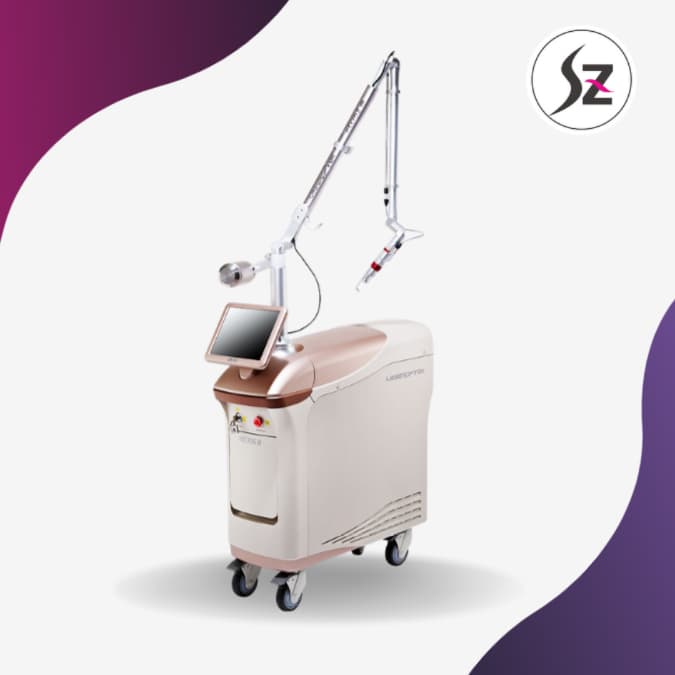
Helios III Laser in Busan is an advanced Q-switched Nd:YAG laser system designed for precision pigmentation treatment, overall skin brightening, and non-ablative rejuvenation. It delivers high-peak energy at 1064 nm and 532 nm wavelengths to selectively target melanin and dermal pigment while minimizing surrounding tissue damage. In clinical practice, Helios III is used to treat melasma, freckles, sunspots, post-inflammatory hyperpigmentation (PIH), and uneven skin tone, while also stimulating collagen remodeling for smoother, clearer skin.
In 2026 dermatologic protocols, Helios III in Busan is widely used in Asia and other regions for its balance of pigment precision and safety profile across diverse skin types. When performed by trained medical professionals, it offers gradual brightening, improved texture, and reduction of unwanted pigmentation with minimal downtime.
Table of Contents

Why Precision Matters in Pigmentation Treatment
Pigmentation disorders occur when melanin production becomes uneven or excessive. Common triggers include:
- Chronic UV exposure
- Hormonal changes (melasma)
- Acne inflammation (PIH)
- Aging-related melanocyte irregularity
The challenge in laser pigment correction is selectively breaking down pigment without triggering additional inflammation, which can worsen discoloration—especially in darker skin types.
Helios III addresses this by delivering controlled nanosecond pulses that create a photoacoustic effect. Rather than overheating tissue, the laser shatters pigment particles into microscopic fragments that the body gradually clears through immune processes.
Technology Overview: How Helios III Laser Works
1. Dual Wavelength Capability
Helios III operates at:
- 1064 nm (Nd:YAG) – deeper penetration, ideal for dermal pigment and melasma
- 532 nm – targets superficial pigment such as freckles and sunspots
This dual-wavelength configuration allows physicians to tailor treatments to pigment depth and skin type.
2. Q-Switched Pulse Delivery
The Q-switched mechanism delivers extremely short, high-intensity pulses. This creates:
- Strong photoacoustic fragmentation
- Limited thermal diffusion
- Reduced risk of scarring
Compared to older long-pulse systems, Q-switched technology is more effective for pigment shattering while maintaining tissue safety.
3. Laser Toning for Brightening
Low-fluence 1064 nm “laser toning” protocols are frequently used with Helios III for:
- Melasma management
- General skin brightening
- Reduction of dullness
Repeated low-energy sessions gradually reduce melanin clustering and improve luminosity without aggressive peeling.
Clinical Applications of Helios III Laser
1. Melasma Treatment
Melasma is a chronic pigmentation disorder often linked to hormonal changes and UV exposure.
Treatment Approach:
- Low-fluence 1064 nm laser toning
- Multiple sessions (typically 6–10)
- Strict sun protection
Expected Outcomes:
- Gradual pigment reduction
- Improved skin clarity
- Maintenance required to prevent recurrence
Clinical experience shows melasma responds best to conservative settings and consistent follow-up.
2. Freckles and Sunspots
Freckles and solar lentigines respond well to 532 nm wavelength treatment.
Mechanism:
Superficial pigment absorbs the 532 nm energy, darkens temporarily, and sheds within 5–7 days.
Recovery:
- Mild redness
- Temporary darkening before lightening
- Minimal downtime
3. Post-Inflammatory Hyperpigmentation (PIH)
PIH often follows acne or skin trauma.
Helios III’s controlled pulse delivery reduces pigment while minimizing inflammation, making it suitable when conservative parameters are applied.
4. Overall Skin Brightening & Rejuvenation
Beyond pigment removal, Helios III stimulates:
- Dermal collagen remodeling
- Improved skin texture
- Reduction in fine lines
- Enhanced radiance
This makes it a non-ablative rejuvenation option for patients seeking visible clarity without significant recovery time.
Real-World Clinical Scenario
Case 1: Persistent Melasma
A 40-year-old patient with chronic melasma undergoes 8 sessions of low-fluence Helios III laser toning.
Results:
- Progressive lightening of patches
- More even complexion
- No worsening of PIH
- Ongoing maintenance every 6 months
Case 2: Sun Damage and Dull Skin
A 35-year-old patient with sunspots receives 3 targeted 532 nm treatments combined with toning.
Outcome:
- Significant reduction of visible sunspots
- Brighter overall tone
- Minimal disruption to daily routine
These cases illustrate how wavelength customization enhances both safety and effectiveness.
Treatment Session Breakdown
| Step | Description |
|---|---|
| Consultation | Skin analysis and medical history review |
| Patch Test | Parameter assessment for safety |
| Laser Application | 10–20 minutes depending on area |
| Cooling | Immediate post-treatment soothing |
| Aftercare | Sunscreen and skincare instructions |
Recovery and Downtime
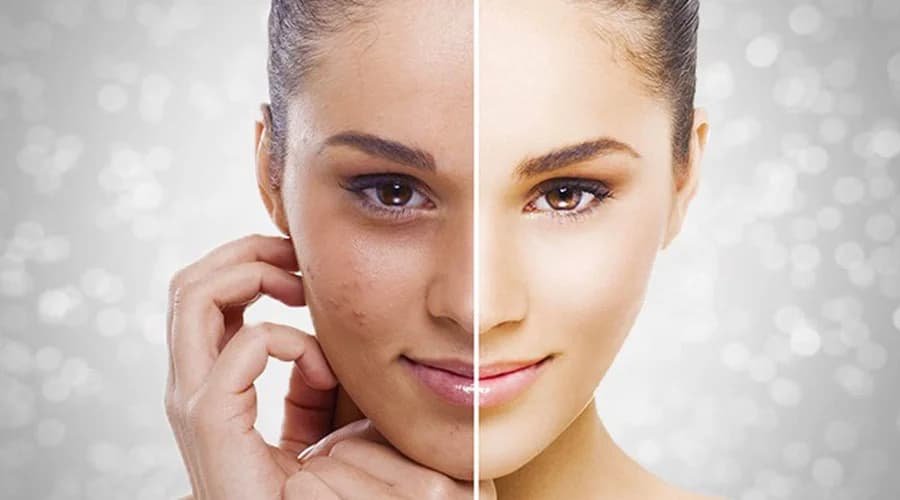
Most patients experience:
- Mild redness (24–48 hours)
- Temporary pigment darkening
- Gradual fading over 1–2 weeks
Unlike ablative resurfacing lasers, Helios III allows quick return to daily activities.
Safety Considerations
When performed by trained practitioners, Helios III has a strong safety record.
Common Temporary Effects:
- Redness
- Mild swelling
- Transient darkening
Rare Complications:
- Hypopigmentation
- Hyperpigmentation
- Blistering (rare with proper settings)
Appropriate energy selection and sun avoidance significantly reduce risks.
Who Is an Ideal Candidate?
Suitable For:
- Uneven skin tone
- Melasma
- Sun damage
- Dull complexion
- Mild textural irregularities
Caution For:
- Active infection
- Recent tanning
- Pregnancy (relative precaution)
Comparison: Helios III vs Traditional Q-Switched Lasers
| Feature | Traditional Systems | Helios III |
|---|---|---|
| Pulse Precision | Standard | Enhanced control |
| Pigment Targeting | Effective | High precision |
| Toning Mode | Limited | Optimized |
| Downtime | Low | Low |
Helios III offers refined energy control for safer treatment in pigment-prone skin.
How Many Sessions Are Needed?
| Condition | Average Sessions |
|---|---|
| Melasma | 6–10 |
| Freckles | 1–3 |
| PIH | 3–6 |
| Brightening | 4–8 |
Results improve gradually over weeks.
Aftercare Guidelines
- Apply SPF 50+ daily
- Avoid sun exposure
- Avoid harsh exfoliants for 7 days
- Follow physician-recommended skincare
Sun protection is critical to maintain results.
Final Expert Perspective (2026)
The Helios III Laser provides precision pigment correction, gradual skin brightening, and non-ablative rejuvenation through controlled Q-switched technology. Its dual-wavelength system allows dermatologists to customize treatment for superficial and deep pigment while maintaining a favorable safety profile.
For patients seeking evidence-based pigmentation management and enhanced skin clarity in 2026, Helios III remains a clinically reliable and adaptable laser solution when administered by qualified medical professionals.
FAQs
What is Helios III Laser used in Busan for?
Helios III Laser in Busan is primarily used for laser pigmentation removal, skin brightening laser treatment, and Q-switched Nd:YAG laser therapy to treat freckles, melasma, sunspots, and uneven skin tone.
Is Helios III Laser in Busan effective for melasma?
Yes. Helios III Laser in Busan uses controlled Q-switched Nd:YAG laser therapy to break down excess melanin, making it suitable for certain types of melasma when performed by experienced clinicians.
How many sessions are needed for laser pigmentation removal in Busan?
Most patients require 3–6 sessions of Helios III Laser in Busan for optimal results in laser pigmentation removal and skin brightening laser treatment, depending on pigment depth and skin type.
Is there downtime after Helios III Laser treatment in Busan?
Helios III Laser in Busan typically involves minimal downtime. Mild redness or temporary darkening may occur after Q-switched Nd:YAG laser therapy but usually resolves within several days.
Who is a good candidate for Helios III Laser?
Good candidates for Helios III Laser in Busan include individuals seeking skin brightening laser treatment or laser pigmentation removal for freckles, sunspots, and uneven tone, especially those wanting a non-surgical rejuvenation option.