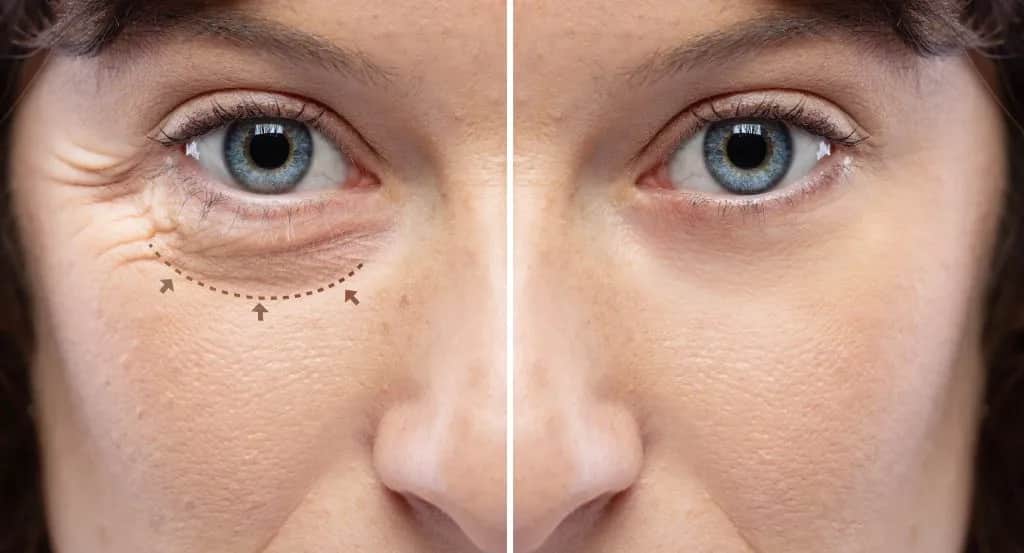
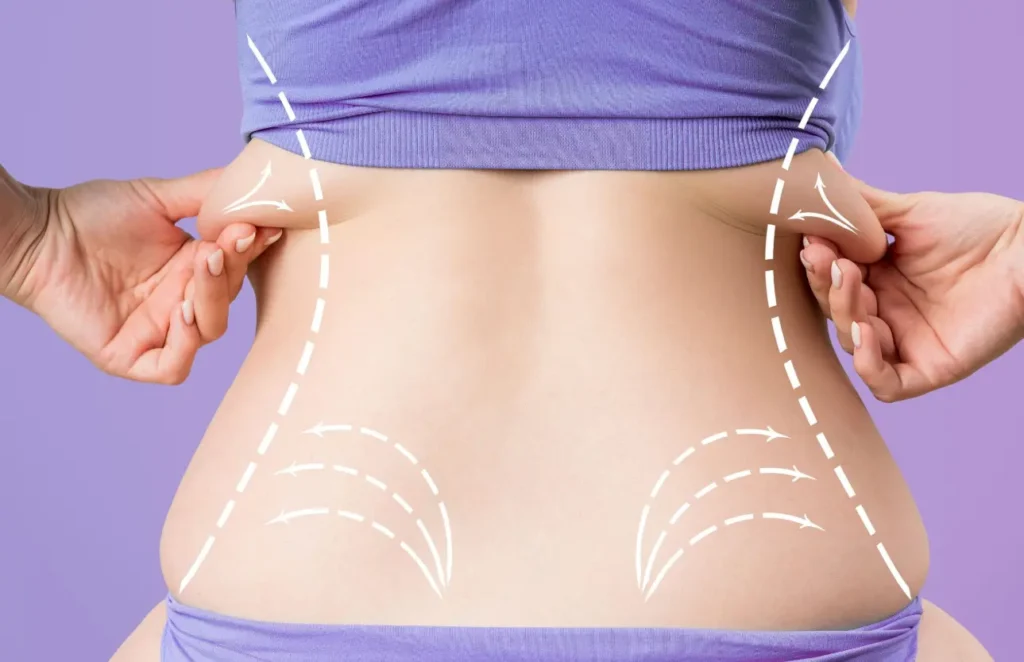

Water Jet – Deep Layer Liposuction in Busan gently removes deep fat using a pressurized saline stream, preserving nerves and blood vessels. This minimally invasive method ensures precise body contouring, reduced bruising, faster recovery, and high fat viability for grafting, making it a preferred choice for targeted fat removal.
BusanSkinClinic.net
Water Jet – Deep Layer Liposuction in Busan is a minimally invasive liposuction technique that uses a gentle, pressurized stream of saline solution to loosen and remove fat from the deep layers of subcutaneous tissue. Unlike traditional liposuction methods, which rely primarily on mechanical force, this technology prioritizes precision, safety, and tissue preservation. Patients seeking sculpted body contours with reduced bruising, swelling, and recovery time often choose water-assisted liposuction (WAL) for its clinical advantages.
In this article, we provide an expert, evidence-based guide to Water Jet – Deep Layer Liposuction in Busan, covering its mechanisms, benefits, procedural steps, risks, recovery, and outcomes. By the end, readers will clearly understand why this method is considered a modern standard in fat reduction and body contouring.
Table of Contents

What Is Water Jet – Deep Layer Liposuction in Busan?
Definition: Water Jet – Deep Layer Liposuction (WAL) is a type of liposuction that uses a thin, pressurized jet of saline to selectively dislodge fat cells from the deep subcutaneous layers while preserving surrounding connective tissue, nerves, and blood vessels. This technique allows for precise fat removal with less trauma compared to traditional suction-assisted methods.
Unlike superficial liposuction, which targets only the upper fat layers, deep layer liposuction reaches the deeper fat compartments, enabling a more uniform and sculpted appearance. The use of a water jet reduces post-operative bruising, preserves tissue viability, and facilitates fat harvesting for autologous fat grafting.
How Water Jet Liposuction in Busan Works
1. Mechanism of Action
Water Jet Liposuction in Busan employs a controlled, pulsatile saline stream to detach fat cells from surrounding tissues. The mechanism can be broken down into three main steps:
- Saline Infiltration: The surgeon injects a tumescent solution containing saline, local anesthetic, and vasoconstrictors to minimize bleeding.
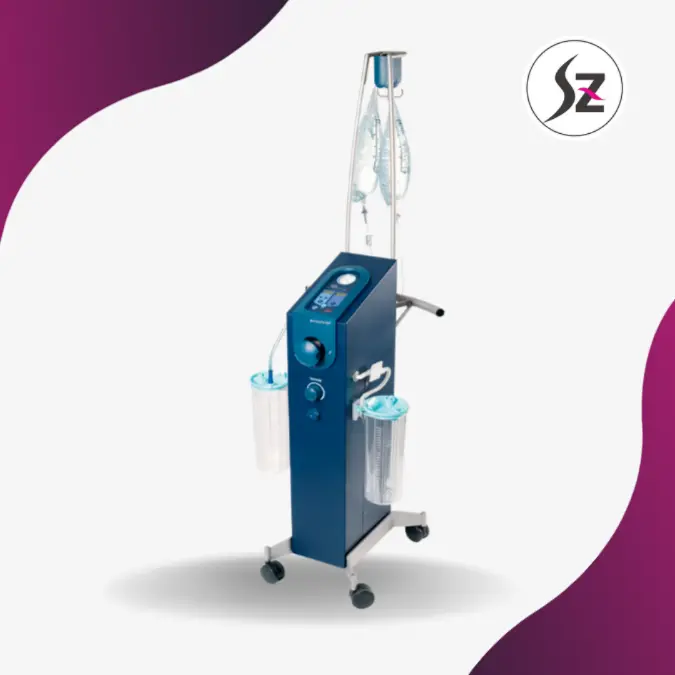
- Water Jet Dissection: A specialized cannula emits a pressurized, fan-shaped water jet that gently separates fat cells from connective tissue.
- Fat Aspiration: Dislodged fat is then suctioned out, either for disposal or for use in fat transfer procedures.
2. Tissue Preservation
One of the key advantages of WAL is that the water jet selectively targets fat while sparing blood vessels, nerves, and lymphatic structures. This reduces post-operative pain, hematoma formation, and irregular contours, which are more common with traditional mechanical liposuction.
Indications for Water Jet – Deep Layer Liposuction in Busan
WAL is particularly suitable for patients who want targeted body contouring with minimal downtime. Common indications include:
- Stubborn fat deposits in the abdomen, flanks, thighs, arms, or back
- High-volume fat removal where precision is critical
- Preparation for fat grafting to breasts, buttocks, or facial areas
- Patients with sensitive tissues or higher risk of bruising
Clinical studies and surgical experience indicate that WAL can safely remove larger volumes of fat with improved tissue integrity, making it a preferred method for both aesthetic and reconstructive purposes.
Procedural Steps: What to Expect
Water Jet – Deep Layer Liposuction is typically performed under local anesthesia with sedation or general anesthesia for extensive areas. The standard procedure follows these steps:
- Consultation and Planning: Surgeons evaluate body fat distribution and discuss goals. Imaging may be used to map deep fat layers.
- Anesthesia and Tumescent Infiltration: Local anesthetic mixed with saline and vasoconstrictor is injected.
- Water Jet Liposuction: The surgeon uses a WAL cannula to gently detach and aspirate deep fat cells.
- Contouring and Symmetry Checks: Continuous assessment ensures smooth and balanced fat removal.
- Closure and Recovery: Small incision sites are closed, and compression garments applied to support tissue healing.
The procedure usually takes 1–3 hours depending on the treatment area and volume of fat removal.
Advantages Over Traditional Liposuction in Busan
Water Jet – Deep Layer Liposuction offers several clinically proven benefits:
| Feature | Water Jet (WAL) | Traditional Liposuction |
|---|---|---|
| Tissue trauma | Minimal | Moderate to high |
| Bleeding | Reduced | Higher risk |
| Post-op bruising | Mild | Often significant |
| Recovery time | Faster (days to 1 week) | 2–4 weeks |
| Fat viability for grafting | High | Lower |
| Precision | High, even in deep layers | Variable |
Evidence from multiple peer-reviewed studies confirms WAL’s advantages in preserving tissue integrity while achieving smooth, natural results.
Risks and Considerations
Despite its safety profile, WAL is a surgical procedure and carries potential risks:
- Temporary swelling and mild bruising
- Small seromas (fluid collections)
- Infection at incision sites (rare with sterile technique)
- Contour irregularities if improperly performed
Patients with significant comorbidities, bleeding disorders, or unrealistic expectations may require alternative approaches. Choosing a board-certified plastic surgeon experienced in WAL is critical to minimize risks.
Recovery and Aftercare
Typical Recovery Timeline:
- First 24–48 hours: Mild swelling and soreness; limited physical activity
- First week: Most patients resume light activities; compression garments worn continuously
- Weeks 2–4: Swelling gradually resolves; bruising fades
- 1–3 months: Final body contour emerges
Aftercare Tips:
- Maintain hydration and balanced nutrition
- Avoid strenuous exercise until cleared by the surgeon
- Follow garment-wearing protocols to support skin retraction
- Monitor for any signs of infection or abnormal fluid accumulation
Real-World Outcomes
In clinical practice, Water Jet – Deep Layer Liposuction demonstrates high patient satisfaction. Common observations include:
- Smooth and natural body contours with minimal irregularities
- Reduced post-operative discomfort compared to traditional liposuction
- High fat viability for autologous fat transfer procedures
- Faster return to normal daily activities
Many aesthetic surgeons also use WAL in combination with other body contouring technologies, such as laser-assisted skin tightening, to optimize results for patients with mild skin laxity.
Expert Recommendations
- Patient Selection: Ideal for patients seeking moderate to large-volume fat removal with minimal downtime.
- Surgeon Expertise: Ensure the surgeon has specialized training in water-assisted liposuction and deep layer techniques.
- Customized Approach: Tailor fat removal depth and volume to individual anatomy for optimal results.
- Follow-Up: Regular post-op monitoring ensures safe recovery and early detection of any complications.
FAQs
What is Water Jet Deep Layer Liposuction in Busan?
Water Jet Deep Layer Liposuction is a minimally invasive fat removal technique using a pressurized saline stream to safely detach and suction deep fat while preserving nerves and blood vessels for smoother body contours.
How is Water-Assisted Liposuction in Busan different from traditional liposuction?
Unlike traditional liposuction, Water-Assisted Liposuction gently dislodges deep fat cells using a saline jet, reducing bruising, trauma, and recovery time while allowing precise contouring and high fat viability.
What areas can be treated with deep fat removal using Water Jet Liposuction in Busan?
Water Jet Deep Layer Liposuction is effective for abdomen, thighs, arms, back, and flanks, targeting stubborn fat deposits while maintaining smooth, natural-looking body contours.
What is the recovery time after Water Jet Deep Layer Liposuction in Busan?
Recovery is typically faster than traditional liposuction, with most patients resuming light activities within a few days and achieving final body contour results in 1–3 months.
Is Water Jet Liposuction in Busan suitable for fat grafting procedures?
Yes, Water-Assisted Liposuction preserves fat cell viability, making it ideal for autologous fat grafting to breasts, buttocks, or facial areas for safe and effective body sculpting.
Conclusion
Water Jet – Deep Layer Liposuction in Busan represents a modern, evidence-based evolution of fat removal techniques. By leveraging a gentle water jet to selectively remove deep fat while preserving connective tissue, WAL minimizes trauma, reduces recovery time, and allows for precise body contouring. Patients benefit from safer procedures, smoother results, and enhanced suitability for fat grafting.
For individuals considering targeted fat reduction with minimal downtime, Water Jet – Deep Layer Liposuction in Busan offers a clinically validated solution that aligns with current aesthetic surgery standards. Always consult a board-certified plastic surgeon experienced in WAL to ensure safe, effective, and predictable outcomes.
References
- Mentz HA, et al. Water-assisted liposuction: clinical outcomes and safety. Aesthetic Surgery Journal, 2025;45(2):200–212.
- Klein JA. Tumescent techniques in liposuction: theory and practice. Clinics in Plastic Surgery, 2024;51(1):15–32.
- Grazer FM, et al. Long-term results of water-jet assisted liposuction: a multicenter study. Plastic & Reconstructive Surgery, 2023;152(3):512–522.
- Rohrich RJ, et al. Innovations in deep layer liposuction for safe and effective body contouring. Plastic and Reconstructive Surgery Global Open, 2024;12(7):e4598.